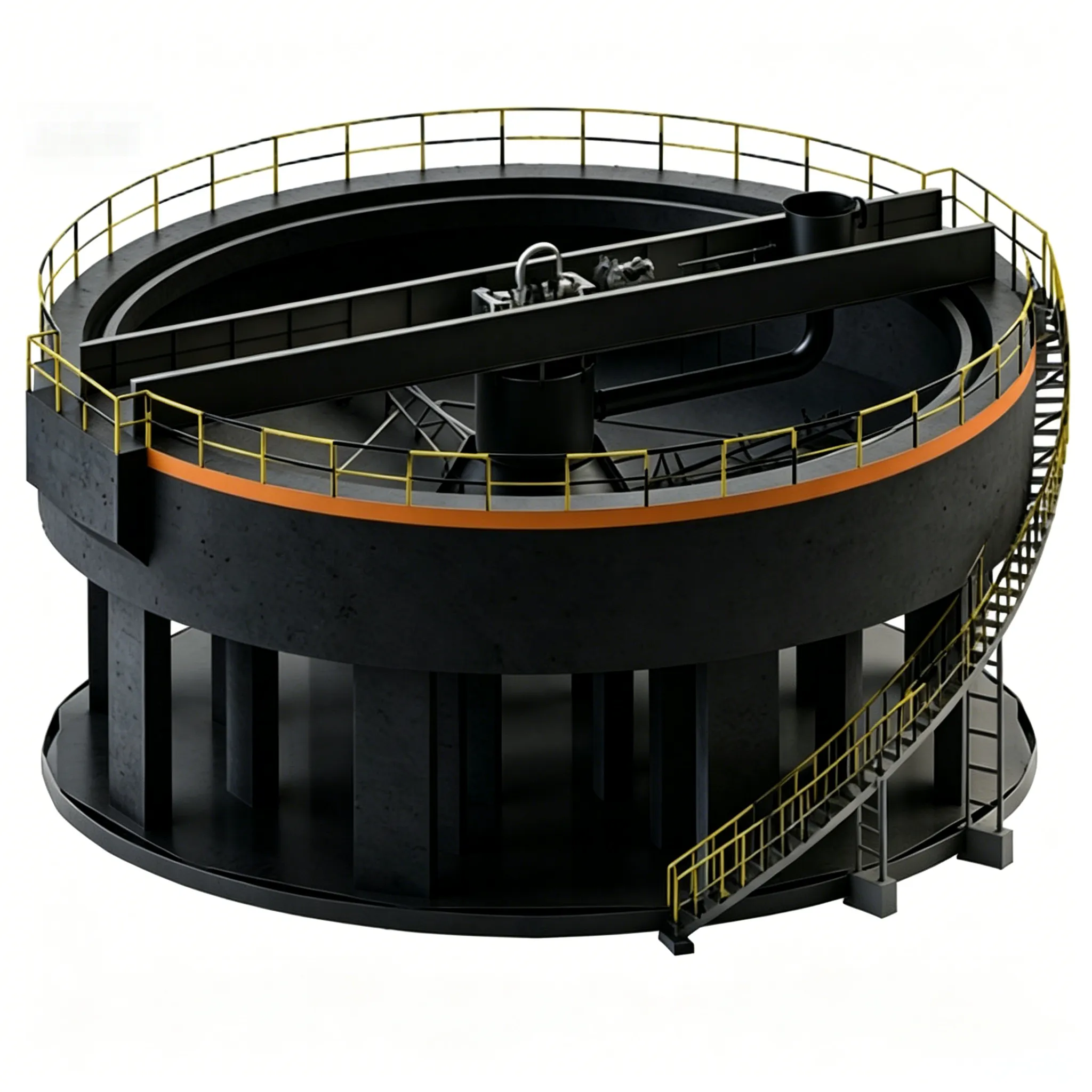
Center-Drive Thickener
Center-Drive Thickener Currently, the center-drive thickeners produced in China are relatively small…

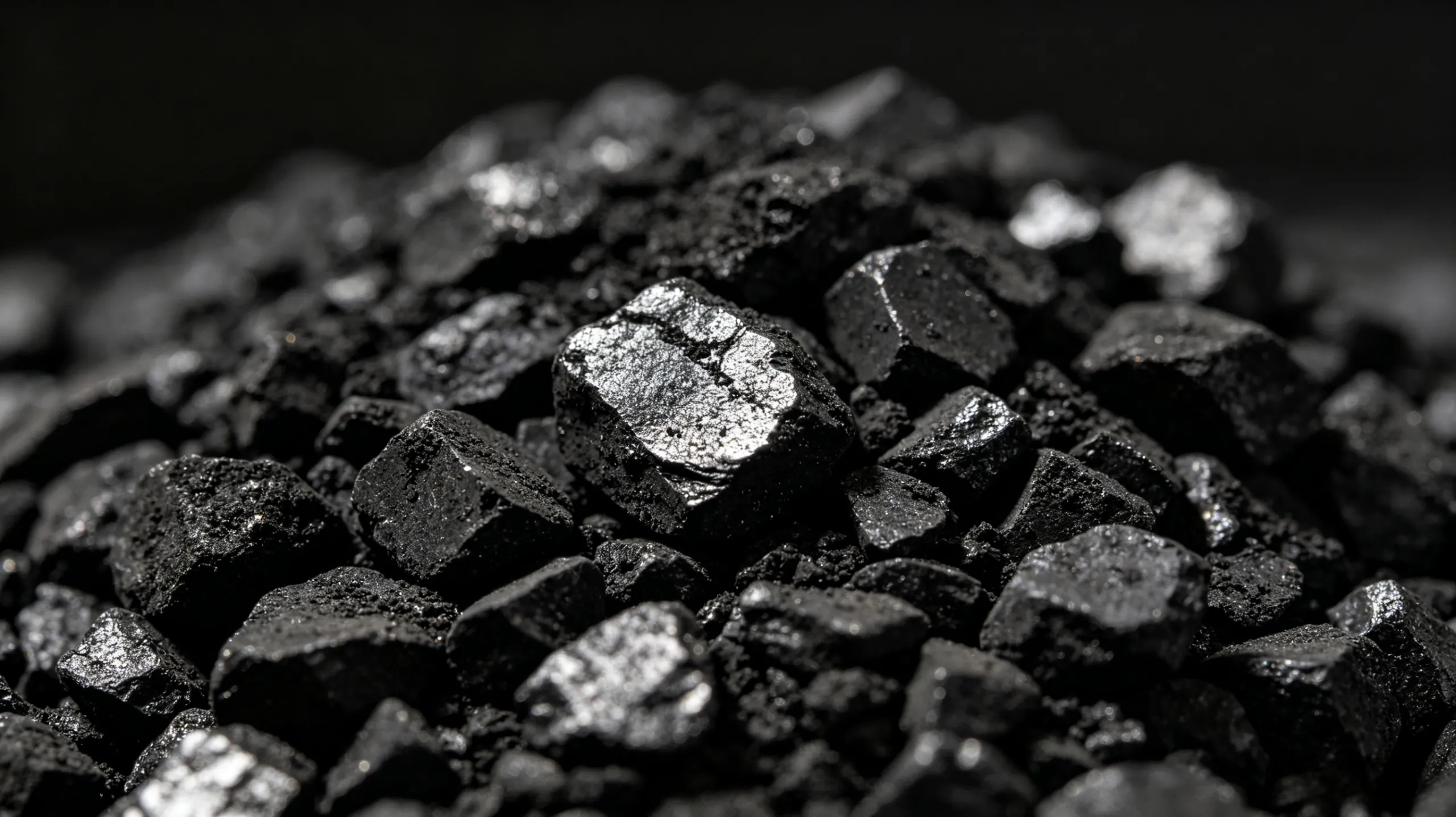
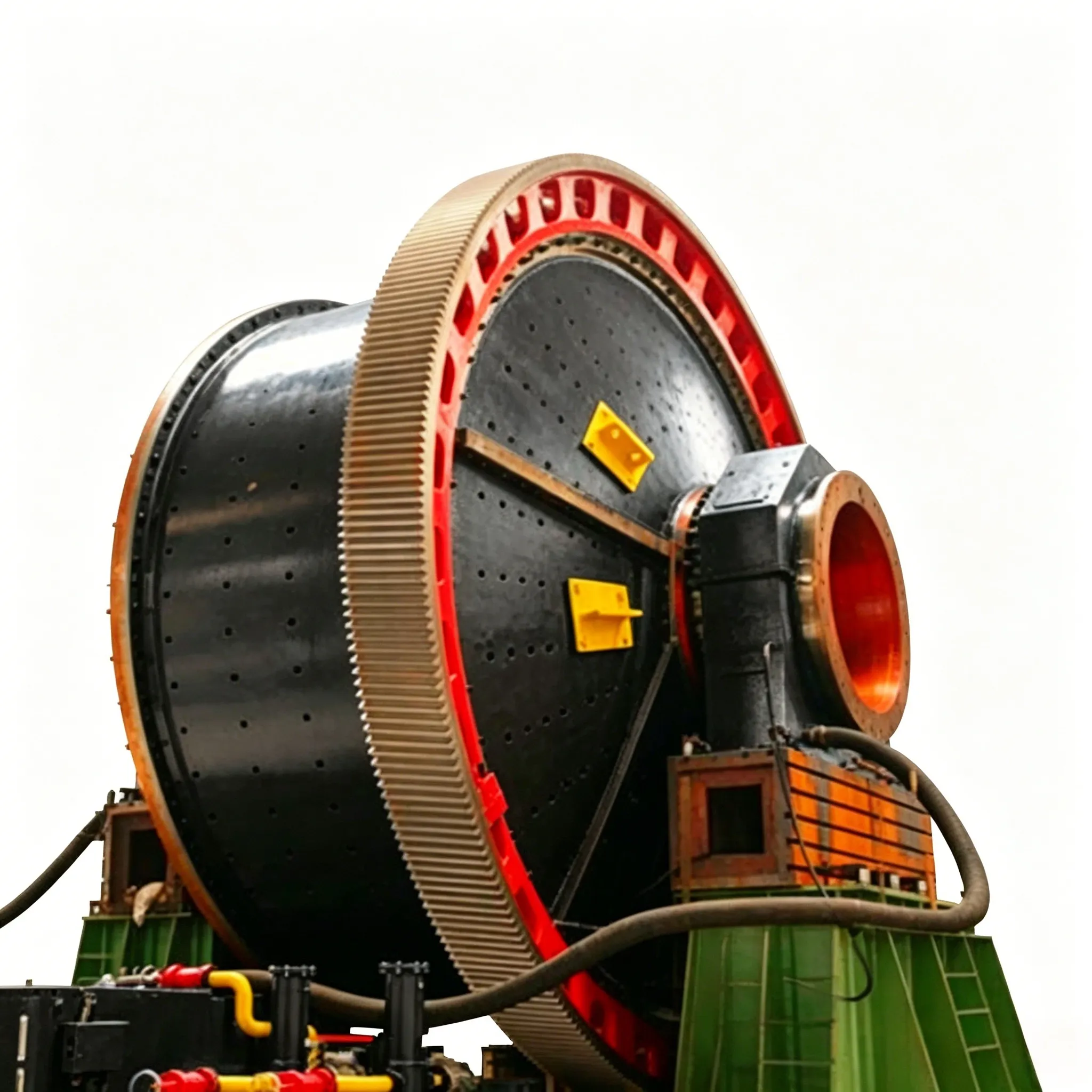
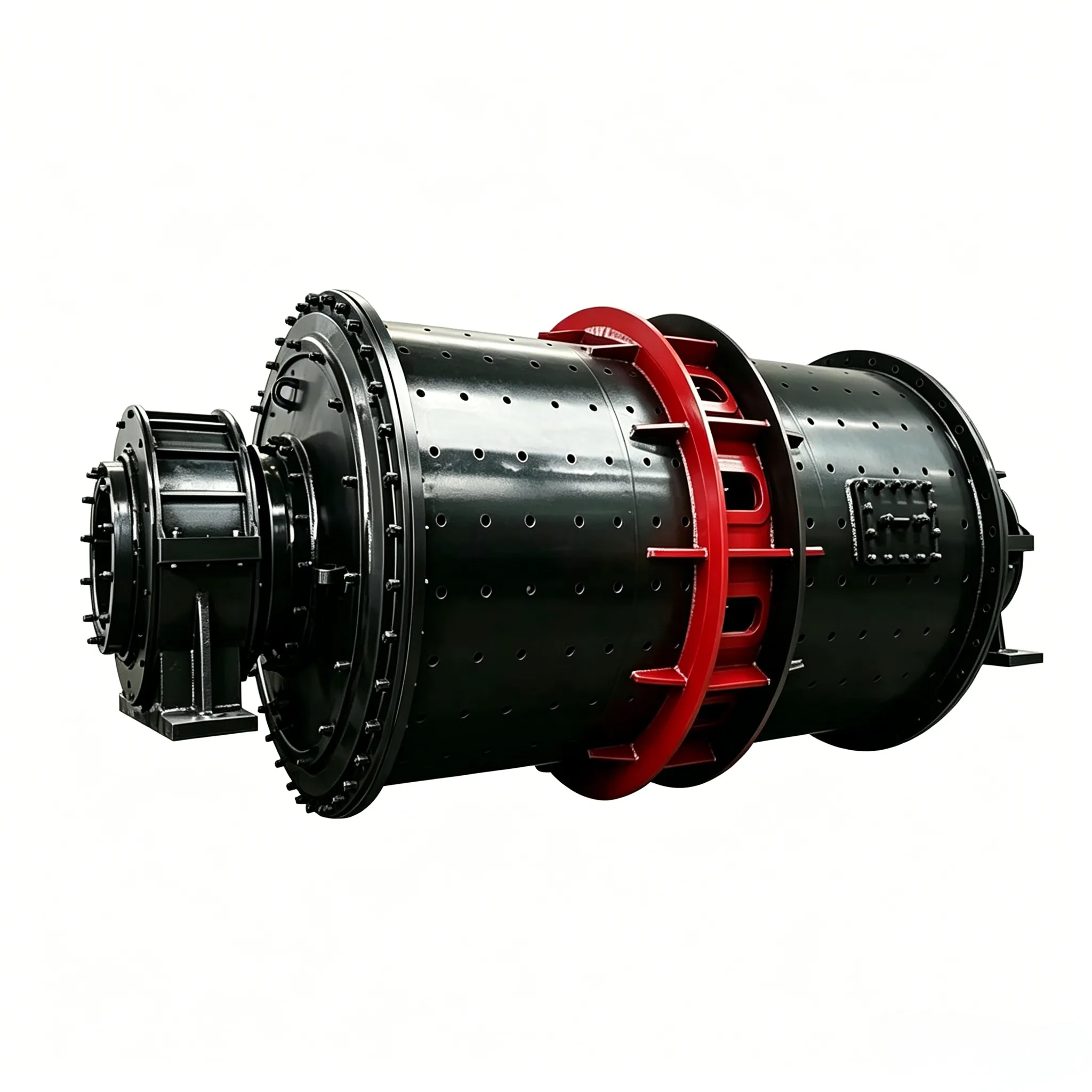
Coal powder preparation is a critical process in thermal power generation, cement production, metallurgy, and the chemical industry. The Raymond mill (pendulum roller mill), as a vertical roller grinding mill, works by crushing materials through compression between grinding rollers and a grinding ring, and performs excellently in processing medium‑hard materials. Raymond mills are suitable for small‑ to medium‑scale coal powder production, with mature technology and relatively low investment costs.
However, coal powder is a flammable and explosive material. Grinding coal with a Raymond mill requires explosion‑proof design and comprehensive safety measures. Conventional Raymond mills cannot be used directly for coal processing; an explosion‑proof Raymond mill or an open‑circuit system mill must be selected.
This solution is designed for bituminous coal/anthracite (Mohs hardness approximately 1.5–3) using an explosion‑proof Raymond mill as the core equipment for a coal powder production line.
| Item | Requirement |
|---|---|
| Raw material type | Bituminous coal, anthracite, lignite (lignite must be pre‑dried) |
| Feed size | ≤30 mm |
| Moisture content | ≤6 % (if >10%, pre‑drying is required) |
| Hardgrove Grindability Index (HGI) | Recommended >50 |
| Volatile matter | Depends on coal type; high‑volatile coals require enhanced explosion‑protection measures |
| Item | Specification |
|---|---|
| Finished fineness | 80–400 mesh (standard Raymond mill range) |
| Passing rate | ≥99 % |
| Finished moisture | ≤1–2 % |
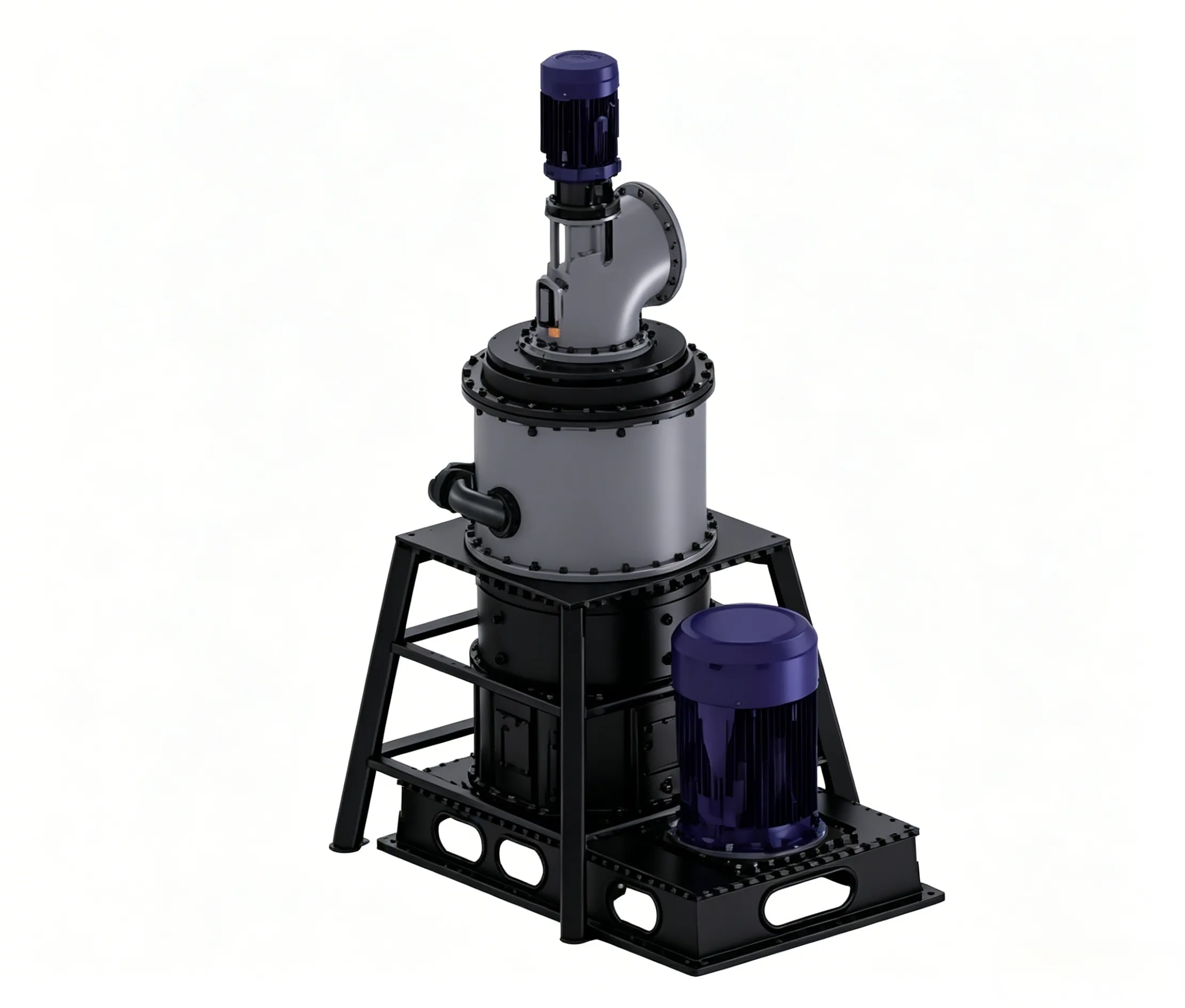
Note: If ultra‑fine coal powder of >400 mesh (e.g., 800 mesh, 1250 mesh or finer) is required, a standard Raymond mill cannot meet the requirement. An ultra‑fine vertical mill or ultra‑fine ring roller mill must be used instead.
Raw coal → Screening (impurity removal) → Jaw crusher (primary crush to ≤30 mm) →
Bucket elevator → Raw coal storage bin → Electromagnetic vibrating feeder (uniform and quantitative feeding) →
Explosion‑proof Raymond mill (grinding) → Air‑borne powder → Explosion‑proof classifier →
    ├─ Coarse powder → Returned to grinding chamber for re‑grinding
    └─ Qualified fine powder → Explosion‑proof cyclone collector → Finished powder discharge → Automatic packing
         ↓
    Explosion‑proof pulse bag filter (purified exhaust discharged to atmosphere)
(1) Raw material pretreatment (screening and crushing)
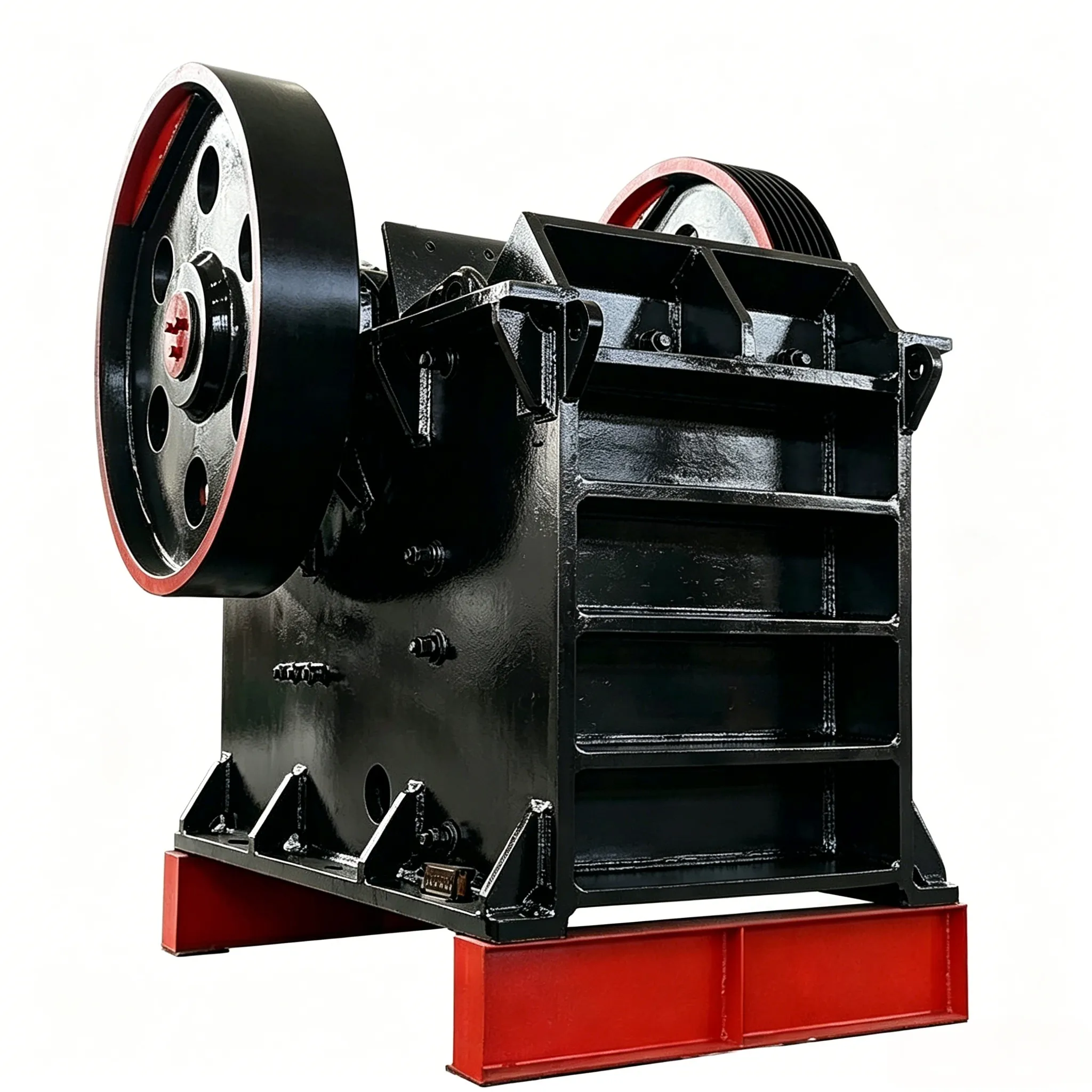
Raw coal is first screened through a grizzly screen to remove large impurities. The large coal lumps are then crushed by a jaw crusher to ≤30 mm. During conveying, an electromagnetic separator should remove ferrous impurities to protect downstream equipment from damage.
(2) Feeding
The crushed coal is conveyed by a bucket elevator to a storage bin. At the bottom of the bin, an electromagnetic vibrating feeder delivers the material uniformly, quantitatively and continuously into the Raymond mill. Uniform feeding is critical to ensuring output and product quality.
(3) Drying (depending on raw material moisture)
If the raw coal moisture exceeds 6–10%, drying must be carried out before or during grinding. A hot‑air furnace can be used to provide hot air, enabling simultaneous drying and grinding. The inlet air temperature must be controlled within an appropriate range, and the outlet air temperature is recommended to be controlled at 75–95 °C.
(4) Grinding
After the small coal pieces enter the grinding chamber, the shovel blades lift the material and feed it between the grinding rollers and the grinding ring. Under centrifugal force, the main unit rollers swing outward and press tightly against the ring, pulverising the coal by compression and shearing.
(5) Classification
The ground coal powder is carried by the blower air stream to the classifier at the top for separation. By adjusting the classifier speed, the finished fineness can be controlled within the range of 80–400 mesh. Unqualified coarse powder is returned to the grinding chamber for re‑grinding.
(6) Collection
The qualified fine powder is carried by the air stream into the explosion‑proof cyclone collector, where it is collected and discharged through the powder outlet as finished product.
(7) Dust collection and exhaust treatment
The system operates under negative pressure. An explosion‑proof pulse bag filter is used for exhaust gas purification. Temperature and pressure monitoring points are installed at each dust hopper to ensure no dust accumulation.
Coal powder of 80–325 mesh is typically produced using a Raymond mill. The two key selection criteria are fineness and output.
| Model | Output Range | Finished Fineness | Feed Size | Installed Power |
|---|---|---|---|---|
| Small Raymond mill (3R/4R) | 1–6 t/h | 80–400 mesh | ≤30 mm | 80–150 kW |
| Medium Raymond mill (4R/5R) | 5–15 t/h | 80–400 mesh | ≤30 mm | 150–300 kW |
| Large Raymond mill (5R/6R) | 10–55 t/h | 80–400 mesh | ≤30 mm | 300–660 kW |
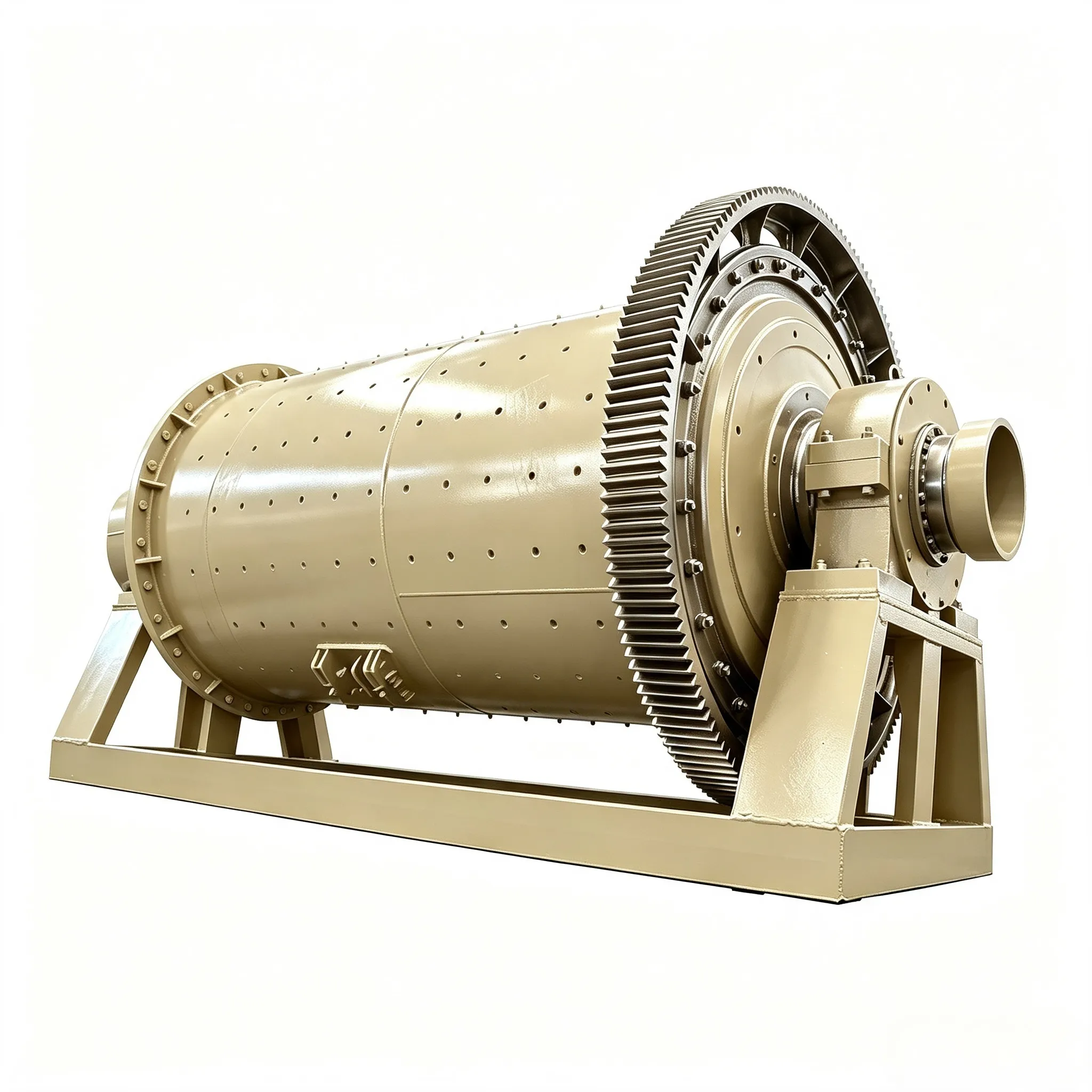
Conventional Raymond mills have an output range of 1–55 t/h and a finished fineness of 80–400 mesh. The MTW European‑type mill, as an upgraded version of the traditional Raymond mill, offers an output of 3–55 T/H and a fineness range of 0.045–1.6 mm.
| No. | Equipment | Qty | Function |
|---|---|---|---|
| 1 | Grizzly screen / vibrating screen | 1 | Initial screening to remove large impurities |
| 2 | Jaw crusher | 1 | Primary crush raw coal to ≤30 mm |
| 3 | Electromagnetic separator | 1 | Remove ferrous impurities |
| 4 | Bucket elevator | 1 | Convey material to storage bin |
| 5 | Raw coal storage bin | 1 | Buffer storage |
| 6 | Electromagnetic vibrating feeder | 1 | Uniform and quantitative feeding |
| 7 | Explosion‑proof Raymond mill (main unit) | 1 | Core grinding equipment (explosion‑proof design + explosion vents) |
| 8 | Hot‑air furnace (optional) | 1 | Provide hot air for drying wet coal |
| 9 | Explosion‑proof classifier | 1 | Control finished fineness |
| 10 | Explosion‑proof cyclone collector | 1‑2 | Collect finished coal powder |
| 11 | Explosion‑proof pulse bag filter | 1 set | Exhaust gas purification |
| 12 | Nitrogen protection system | 1 set | Inert gas shielding |
| 13 | CO/O₂ online monitoring system | 1 set | Real‑time gas concentration monitoring |
| 14 | Temperature/pressure monitoring system | 1 set | Real‑time monitoring |
| 15 | Explosion‑proof electrical control system | 1 set | Centralised control; automatic shutdown on abnormal conditions |
| 16 | Automatic packing machine (explosion‑proof) | 1 | Finished product packaging |
Due to the flammable and explosive nature of coal powder, safety measures are the core of the entire solution.
Nitrogen is introduced into the closed system and circulated. An online oxygen content monitor keeps the oxygen concentration strictly below the safe limit, fundamentally eliminating combustion and explosion conditions. The mill is designed with an inert gas inlet for easy integration of the fire‑suppression system.
| Measure | Specific Content |
|---|---|
| Iron removal | Install high‑intensity magnetic separators to remove ferrous impurities |
| Friction/spark prevention | Use wear‑resistant components and good lubrication |
| Static elimination | Proper equipment grounding; use anti‑static devices |
| Explosion venting | Provide explosion vents on pressure vessels |
Multiple explosion‑relief valves are installed inside the Raymond mill to provide early pressure relief and prevent damage from spreading. The mill shell should be capable of withstanding 345 kPa of explosion pressure, and explosion‑relief valves are provided at the top.
CO‑O₂ gas analysers and temperature sensors are installed at the inlet, outlet, and bag filter outlet:
Coal powder is an important industrial raw material and fuel with a wide range of applications.
| Application | Recommended Fineness | Main Uses |
|---|---|---|
| Thermal power generation | R90 = 12–18 % | Fuel for coal‑fired units |
| Cement industry | 80–200 mesh | Fuel for rotary kilns |
| Iron & steel metallurgy (blast furnace injection) | R80 = 10–15 % | Replace part of expensive coke; coke replacement ratio up to 200 kg/t iron |
| Lime kilns / rotary kilns | 80–200 mesh | Fuel for industrial kilns |
| Industrial boilers | 80–200 mesh | Fuel for high‑efficiency pulverised‑coal boilers |
| Foundry | 100–200 mesh | Additive to green sand for iron castings to prevent burn‑on defects |
| Coal chemical industry | 200–400 mesh | Gasification feedstock; production of activated carbon, humic acid, etc. |
| Clean coal powder | 200–325 mesh | Energy‑saving and environmentally friendly fuel |
(1) Thermal Power Generation (largest consumer)
Coal powder is the most basic and important fuel in coal‑fired power generation. It is suitable for large coal‑fired units above 300 MW. The thermal energy from coal powder combustion is converted into electrical energy.
(2) Cement Industry
Coal powder is the main fuel for cement rotary kilns, offering high combustion efficiency and significant influence on the quality of cement clinker.
(3) Iron & Steel Metallurgy (Blast Furnace Injection)
Injecting coal powder through blast furnace tuyeres can replace part of the expensive coke, reducing iron‑making costs. The coke replacement ratio can reach up to 200 kg/t iron.
(4) Foundry Industry
Adding coal powder to green sand for iron castings can prevent burn‑on surface defects, improve surface finish, reduce sand‑inclusion defects, and enhance the collapsibility of the moulding sand.
(5) Industrial Boilers and Kilns
Coal powder can be used in high‑efficiency pulverised‑coal boilers, lime kilns, rotary kilns, etc. Low‑dust coal powder combustion technology can be applied to retrofit oil‑fired industrial kilns to coal‑fired operation.
(6) Coal Chemical Industry
Coal powder can be used to produce chemicals such as activated carbon and humic acid. The clean and efficient utilisation of coal has been included in national development plans, and the future of deep coal processing is promising.
(7) Clean Coal Powder
Coal powder has high combustion efficiency and low harmful impurity content, making it an energy‑saving and environmentally friendly fuel.
| Item | Estimate |
|---|---|
| Total equipment investment for explosion‑proof Raymond mill system | Approx. RMB 0.3–1.5 million (depending on model and configuration) |
| Installed power | Approx. 100–500 kW |
| Floor area | Approx. 150–300 m² |
| Operators | 2–3 persons per shift |
| Selling price of coal powder (200‑mesh industrial grade) | Approx. RMB 500–1,200 / tonne (depending on coal type and fineness) |
| Annual output value (based on 5 t/h, 300 days/year, 16 h/day) | Approx. 24,000 tonnes × selling price |
 English English
 Spanish
 Russian
 Arabic
 Swahili
 French
 Turkish
 Portuguese
 Korean
 Japanese
 German
 Italian