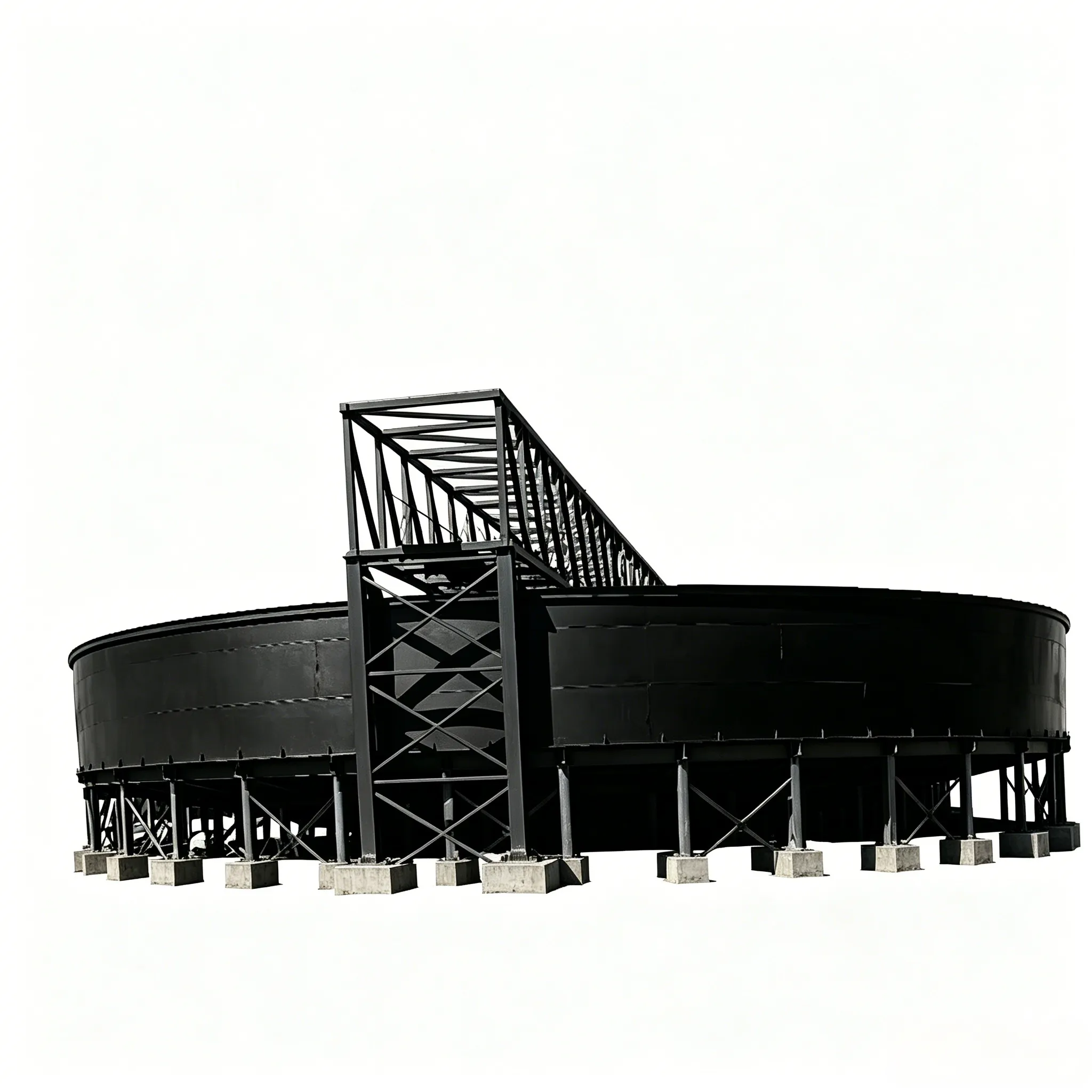
Peripheral Drive Thickener
Peripheral Drive Thickener Currently, the peripheral drive thickeners produced in China generally…

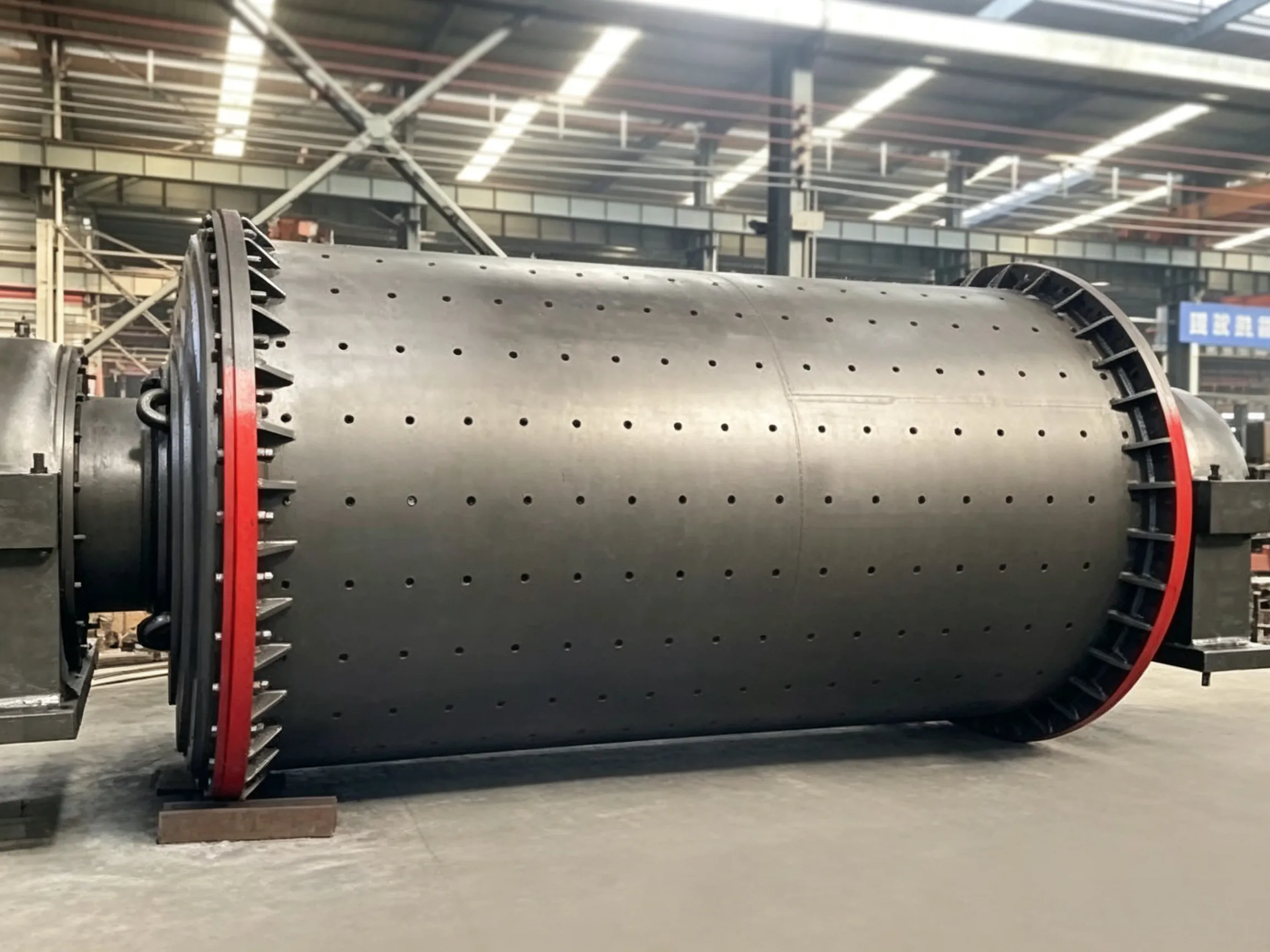
Selecting the right liner material for a ball mill is a critical decision that directly affects mill availability, grinding efficiency, maintenance cost, and product quality. The choice must balance wear resistance, toughness, cost, and the specific operating conditions of each compartment. Below is a practical guide based on industry experience and material science.
| Compartment / Part | Wear Mechanism | Recommended Material | Reason |
|---|---|---|---|
| First (coarse) compartment | High impact, chiselling, and gouging from large balls (φ60–100 mm) and coarse feed (up to 40 mm) | Medium‑carbon low‑alloy steel (HRC 42–48, toughness 25–40 J/cm²) or medium‑carbon multi‑alloy steel (HRC 48–56, toughness 15–25 J/cm²). For large mills, use low‑/medium‑carbon alloy steel; for small/medium mills, high‑chromium cast iron can be used if block size is small. | Needs high toughness to resist cracking from heavy impacts, while still offering good wear resistance. High‑manganese steel is sometimes used but has short life due to low yield strength and plastic flow. |
| Second (fine) compartment | Abrasion, micro‑cutting, and scouring from smaller balls (φ30–50 mm) or cylpebs, with material <5 mm | High‑chromium cast iron (HRC 62–67, 4–6× life of Mn steel) or medium‑carbon multi‑alloy steel (HRC 48–56). For smaller mills, low‑chromium cast iron (HRC 48–55) or high‑hardness wear‑resistant cast steel can be used. | Requires high hardness to resist abrasion; impact is moderate, so lower toughness is acceptable. |
| Third / fourth compartments (long mills) | Mainly abrasive wear from fine media | High‑chromium cast iron or white cast iron / alloy pig iron (brick‑laid type) for small mills. Rubber liners are also possible for wet grinding if temperature <80°C. | High hardness is paramount; brick‑laying avoids bolt holes, reducing stress concentration. |
| Intermediate diaphragm and grate plates | Impact from both sides + scouring from material passing through slots | Medium‑ or low‑carbon alloy steel (HRC 45–52, toughness 15–25 J/cm²) or chromium‑alloyed high‑manganese steel. | Needs both impact resistance and erosion resistance, plus ability to maintain slot width. |
| End cover liners (feed end) | Severe side impact and sliding cutting from coarse feed and large balls | Same as first compartment, often with thickened fast‑wearing areas. | The feed end suffers the most severe wear; local thickening can extend life. |
| Wet‑process raw mills | Corrosive wear plus abrasion | Rubber liners (if temperature <80°C) or high‑chromium cast iron (though its corrosion resistance is limited in wet acidic slurries). | Rubber absorbs impact and resists corrosion, but cannot handle high temperatures. |
| Mill Type / Condition | First Compartment | Second / Fine Compartment | Diaphragm / Grate |
|---|---|---|---|
| Large tube mill (φ>3 m) | Medium‑carbon low‑alloy steel | High‑chromium cast iron | Medium‑carbon alloy steel |
| Medium tube mill (φ2.2–3 m) | Medium‑carbon multi‑alloy steel | Medium‑carbon multi‑alloy steel or high‑chromium cast iron | Medium‑carbon alloy steel |
| Small tube mill (φ≤2.2 m) | High‑chromium cast iron (small blocks) | Low‑chromium cast iron or white cast iron (brick‑laid) | Chromium‑alloyed Mn steel or medium‑carbon alloy steel |
| Wet raw mill | Rubber (if temp allows) or high‑chromium cast iron | Rubber or high‑chromium | Rubber or alloy steel with corrosion resistance |
Final advice: No single material is ideal for all situations. Always evaluate impact level, abrasiveness of feed, mill diameter, temperature, moisture, and maintenance strategy. When in doubt, medium‑carbon multi‑alloy steel offers a safe, versatile choice for most compartments, while high‑chromium cast iron is the top performer for abrasive fine‑grinding zones provided its brittleness is managed through proper design (small blocks, simple shapes).

 English English
 Spanish
 Russian
 Arabic
 Swahili
 French
 Turkish
 Portuguese
 Korean
 Japanese
 German
 Italian