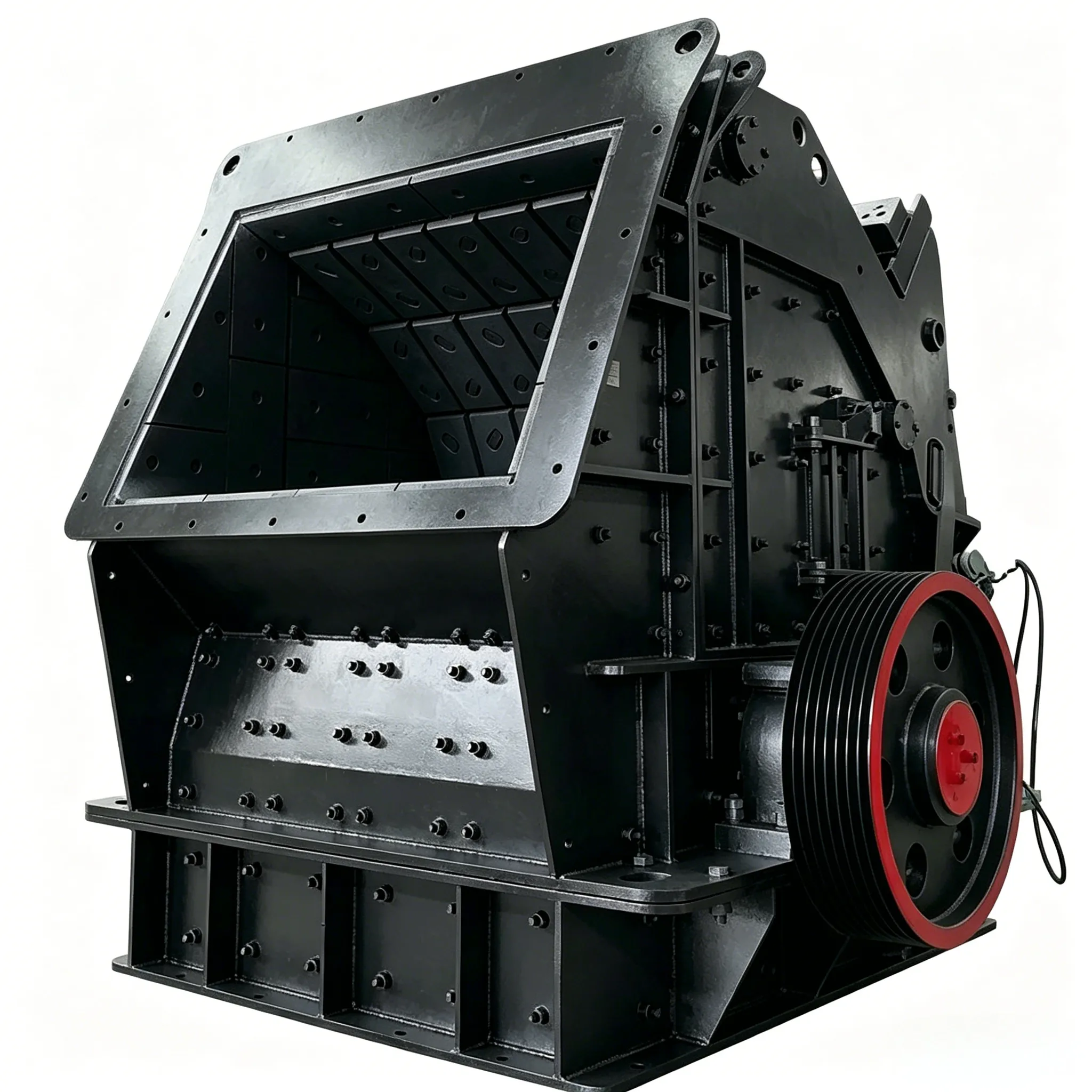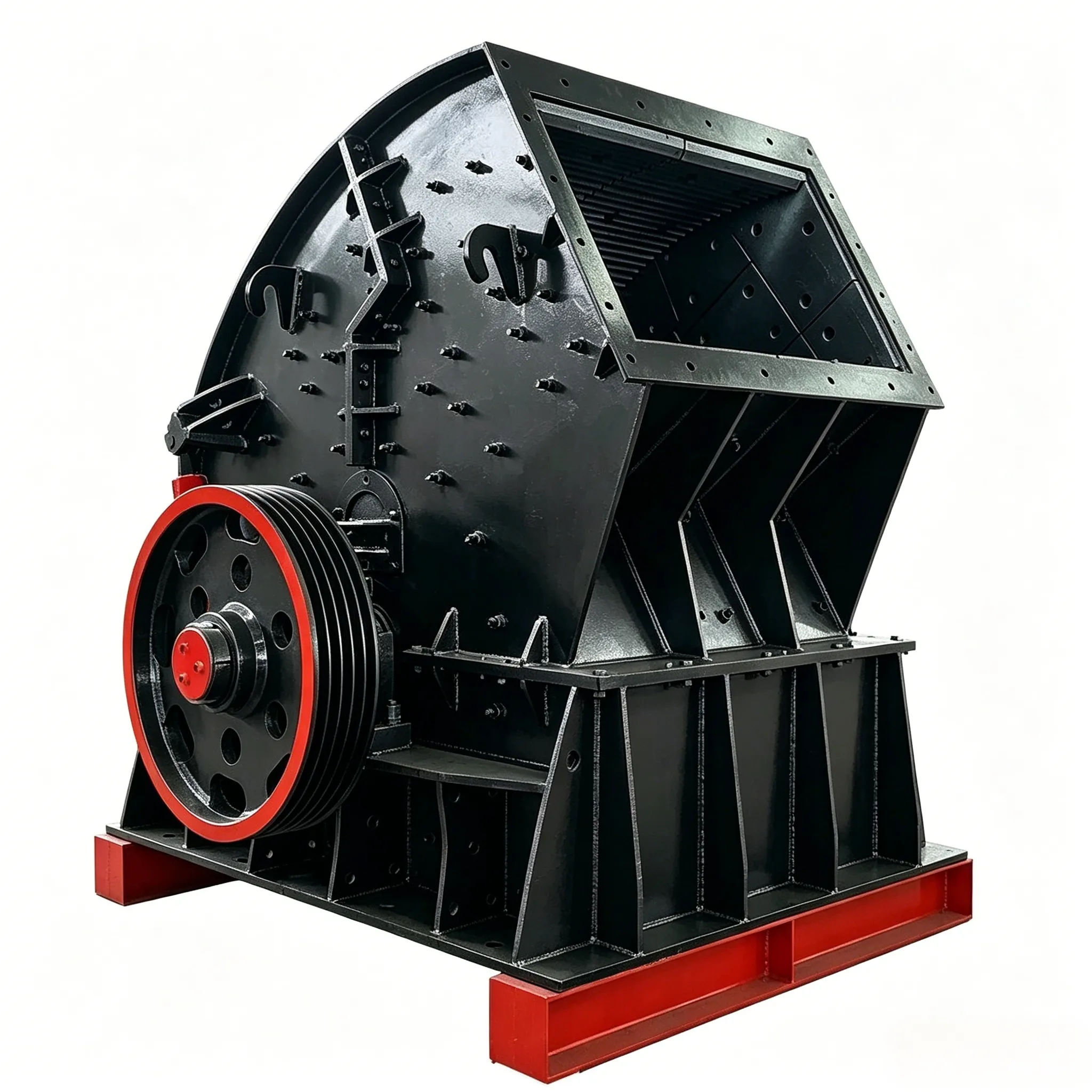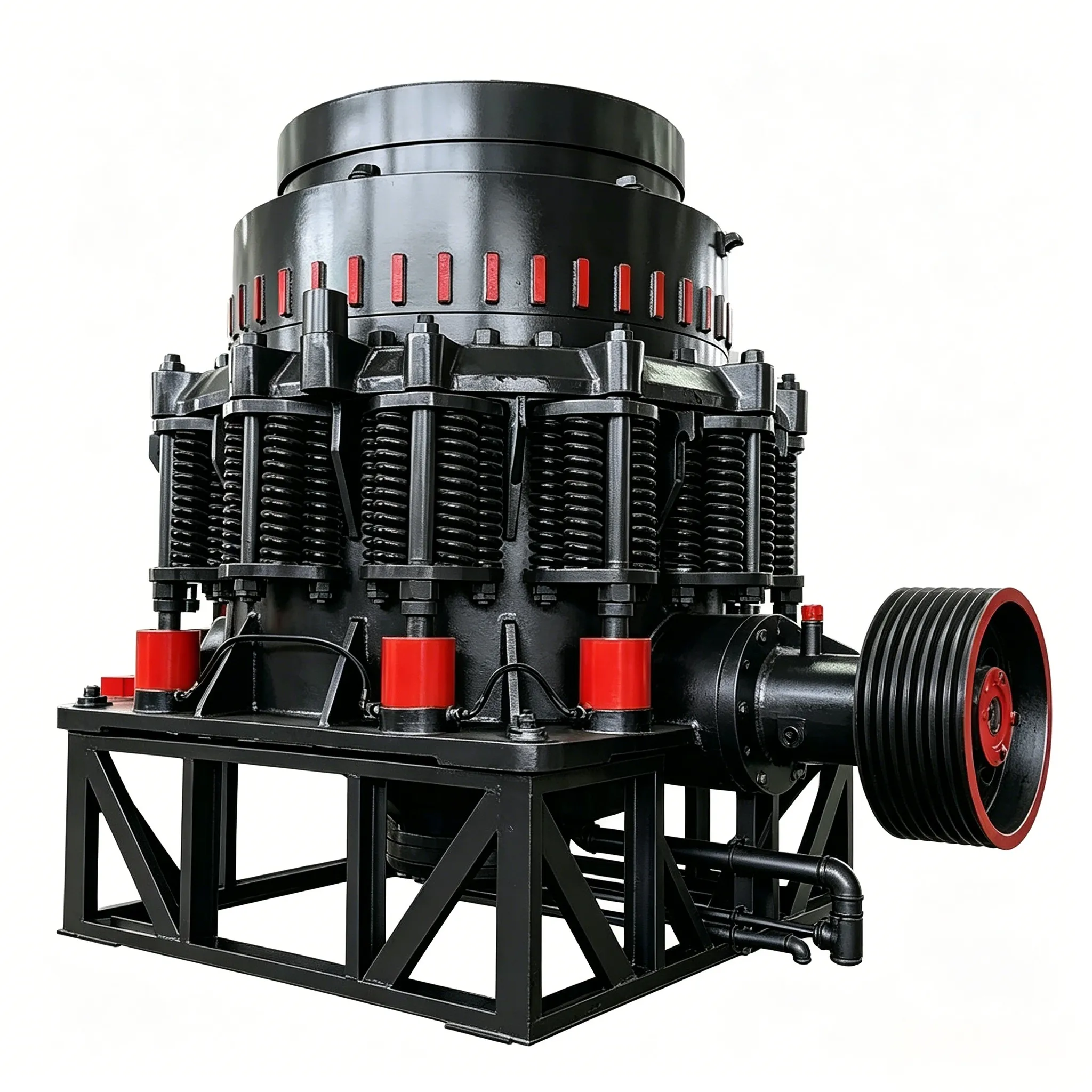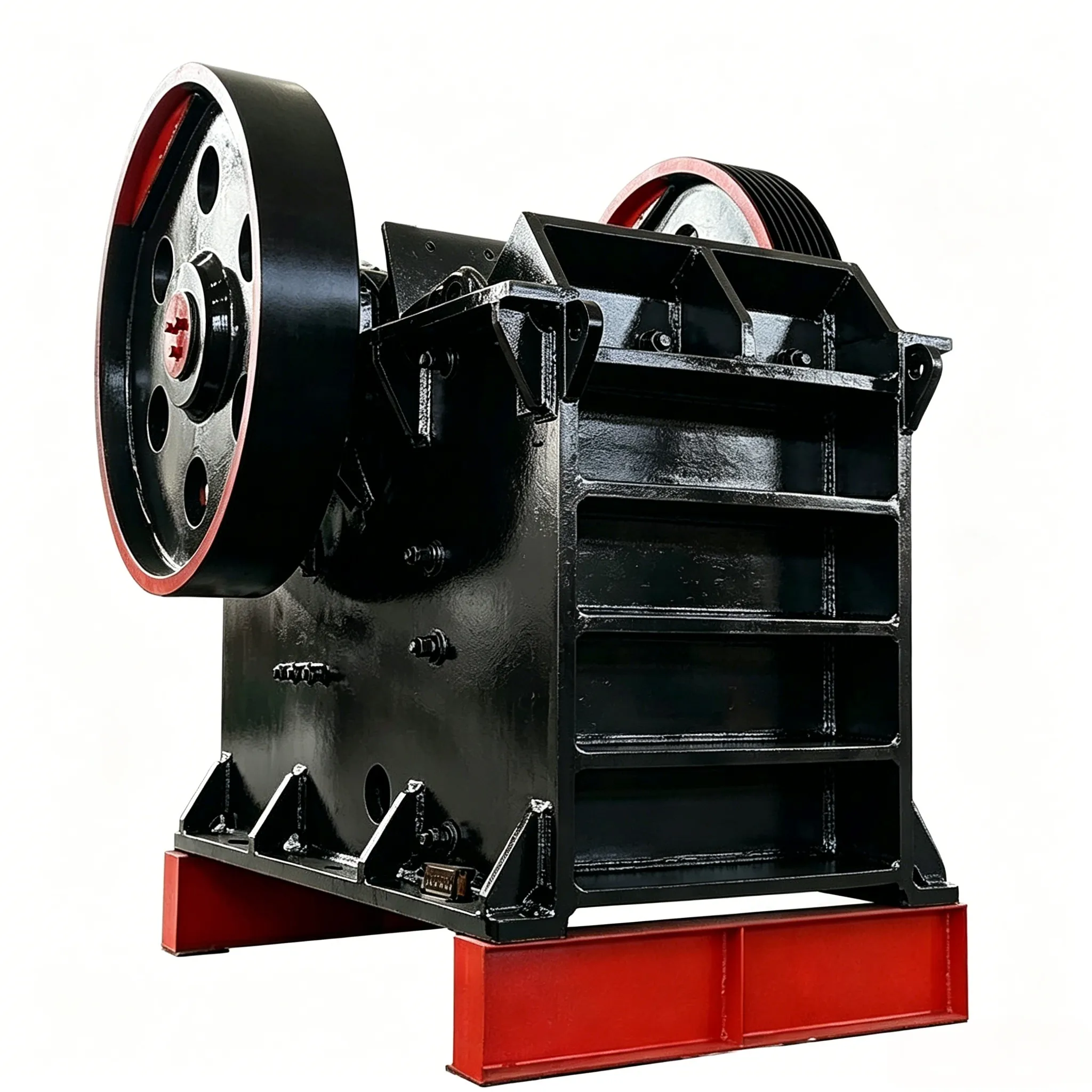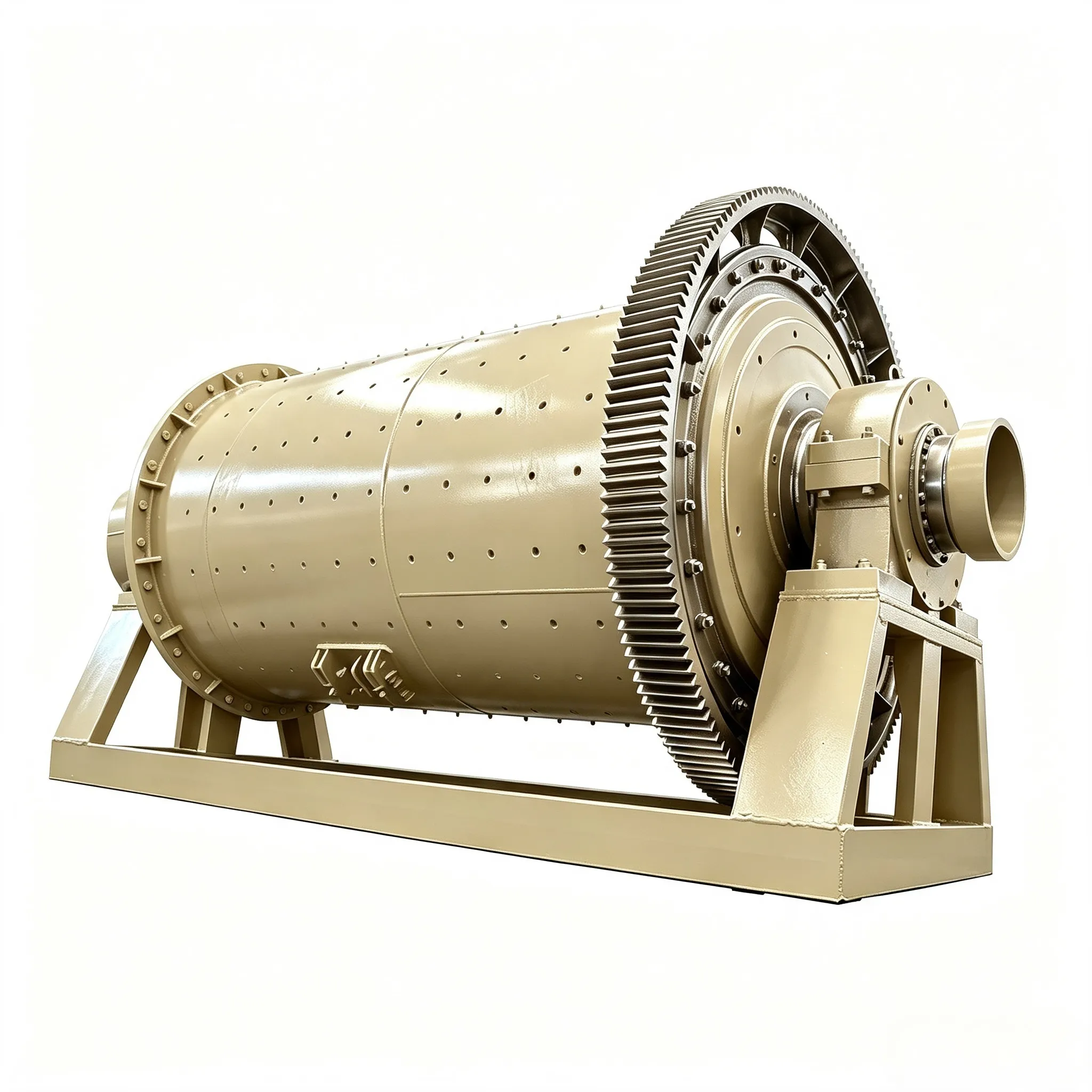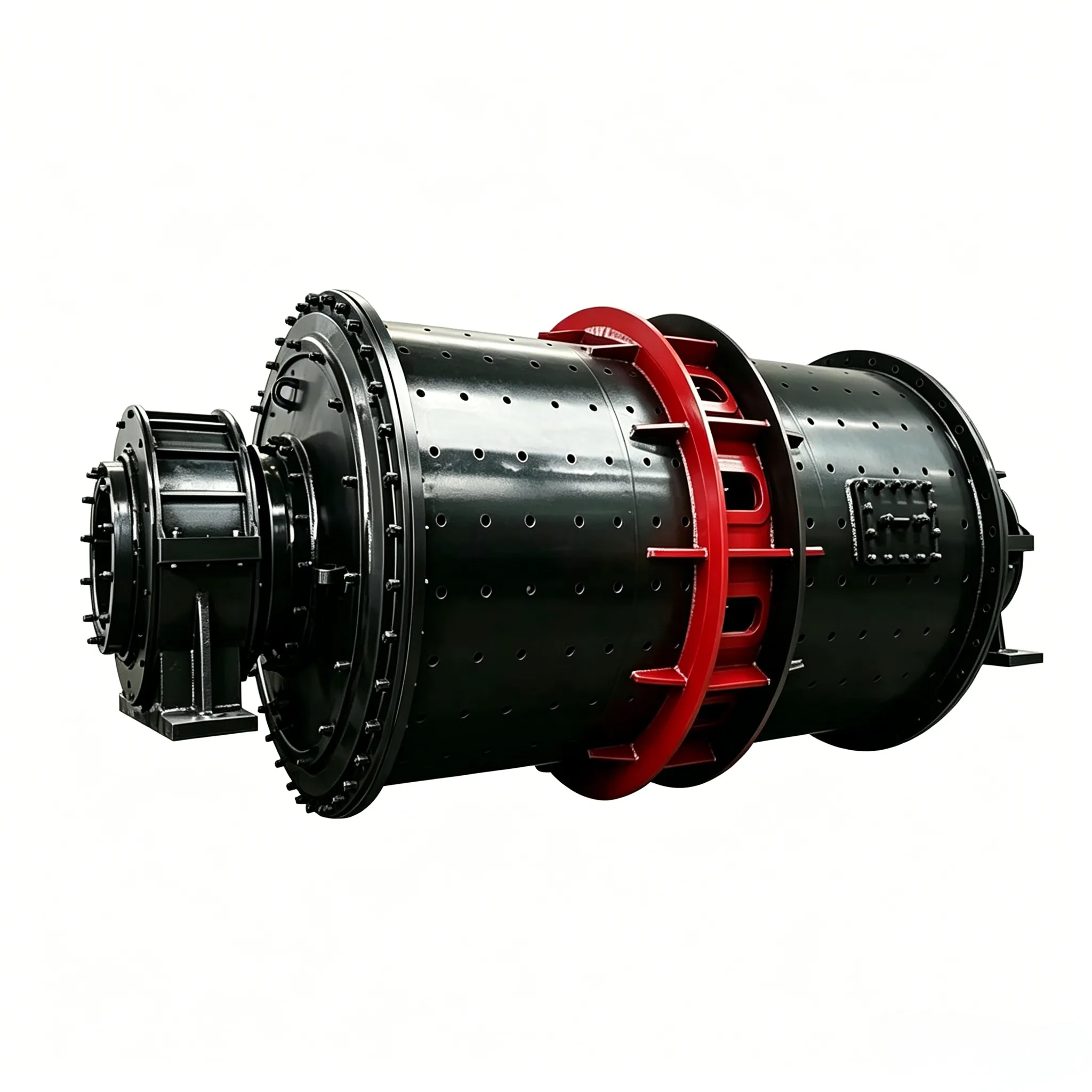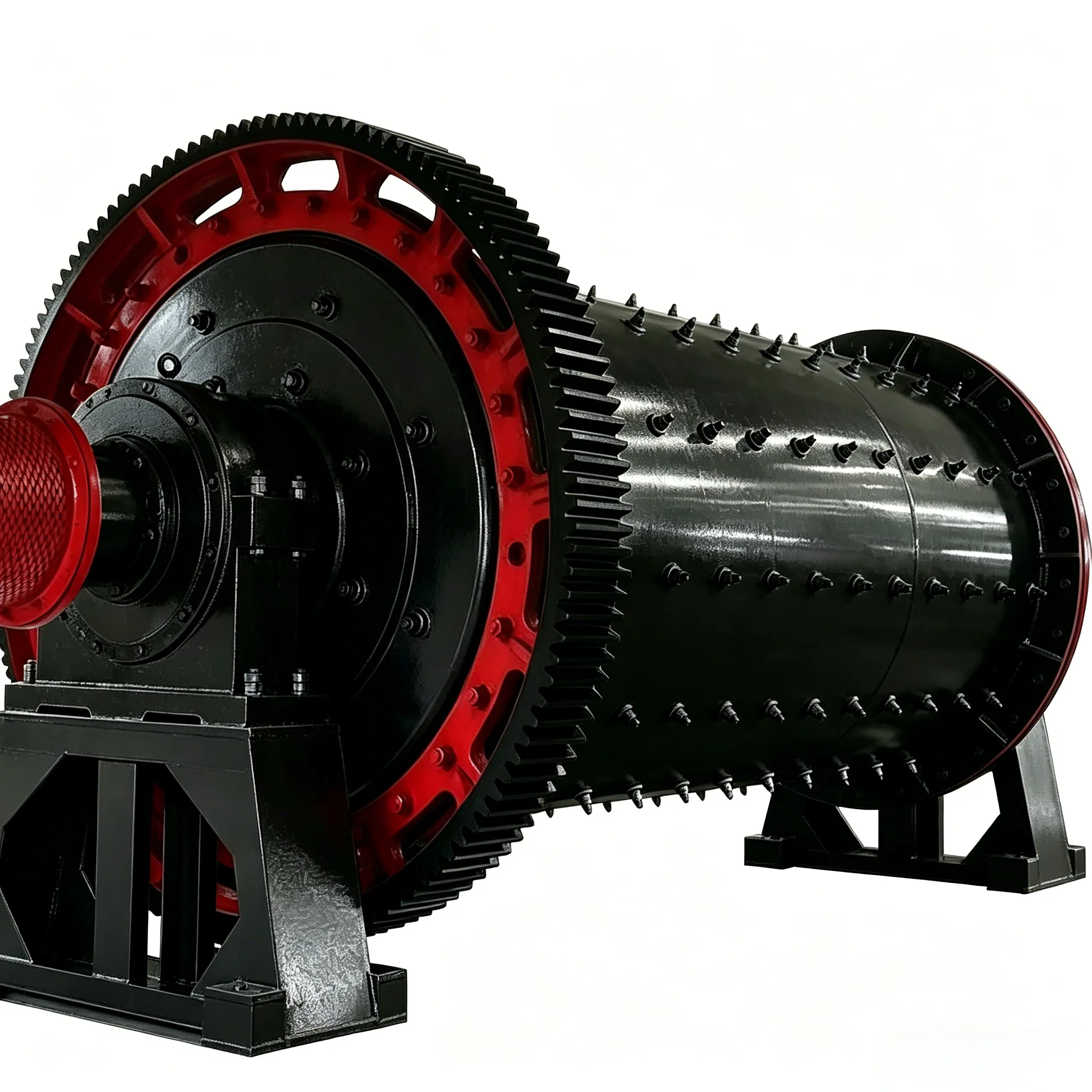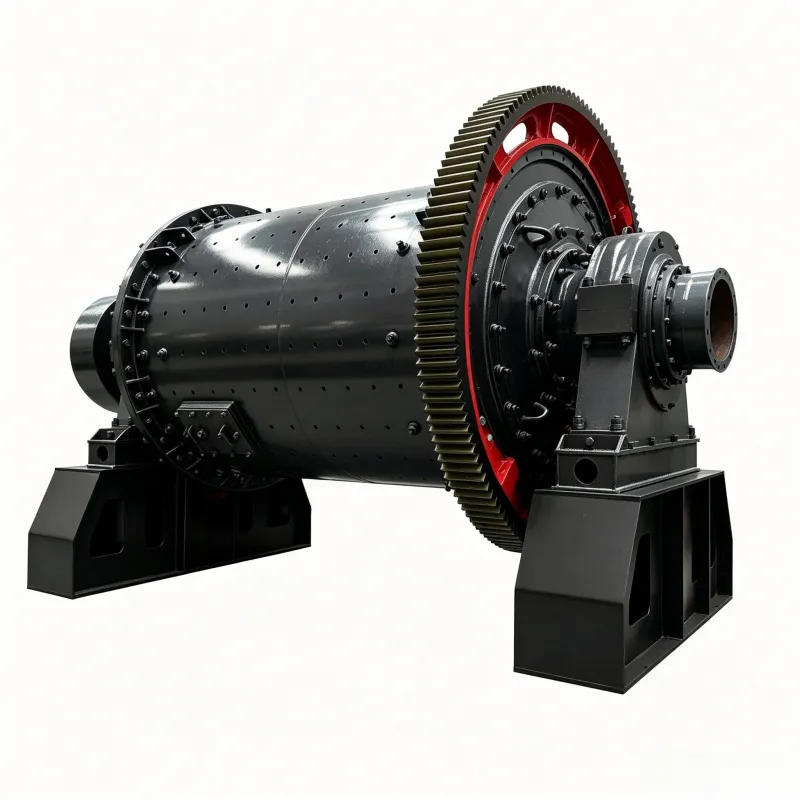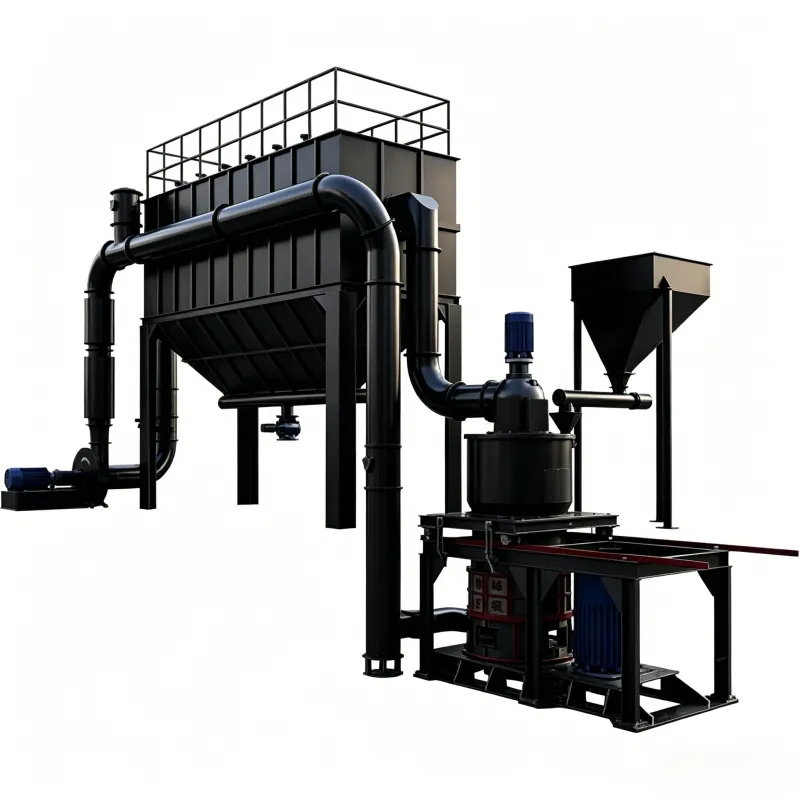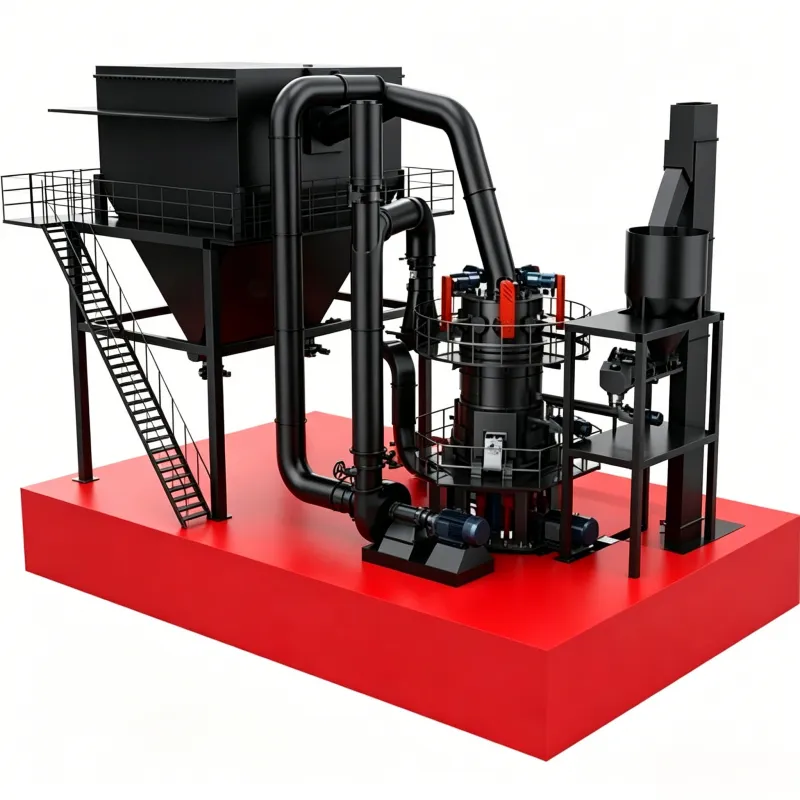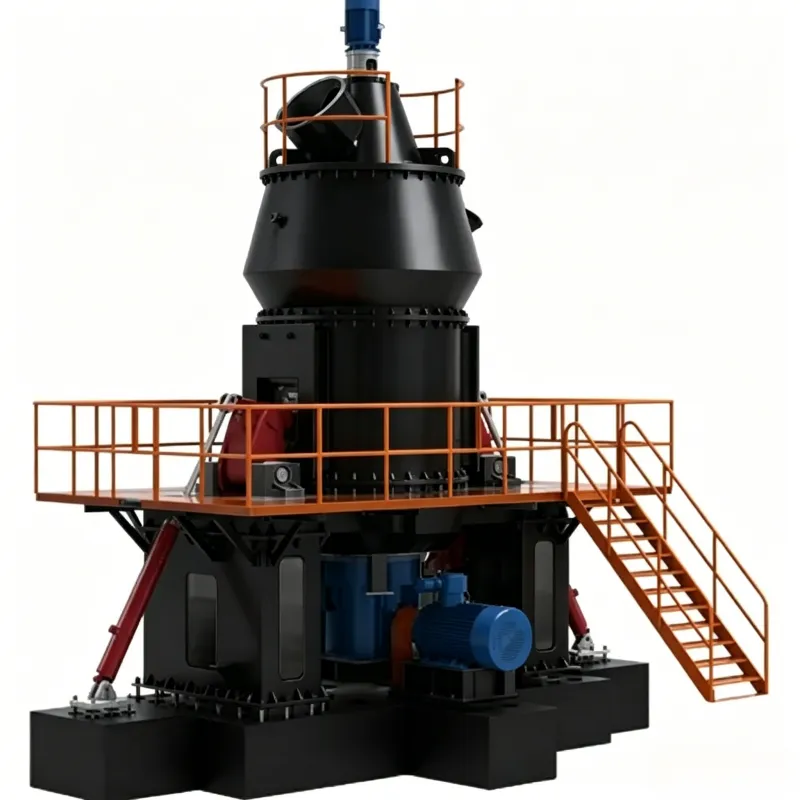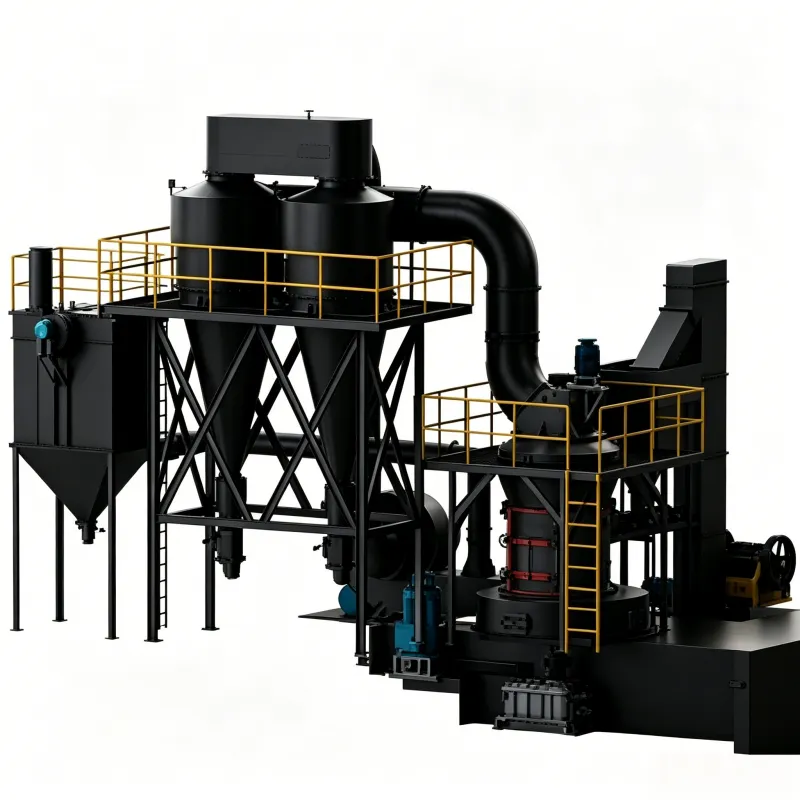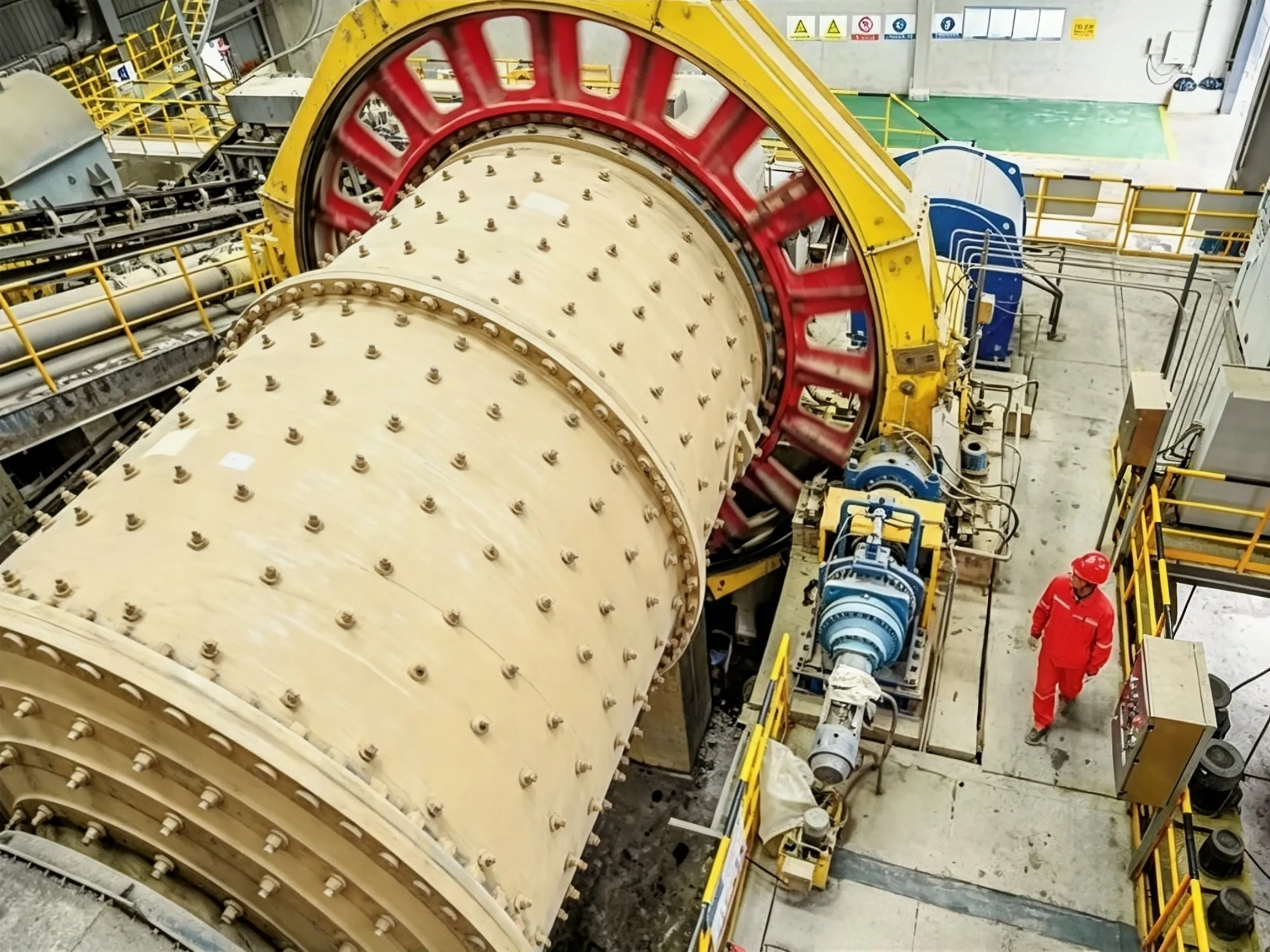

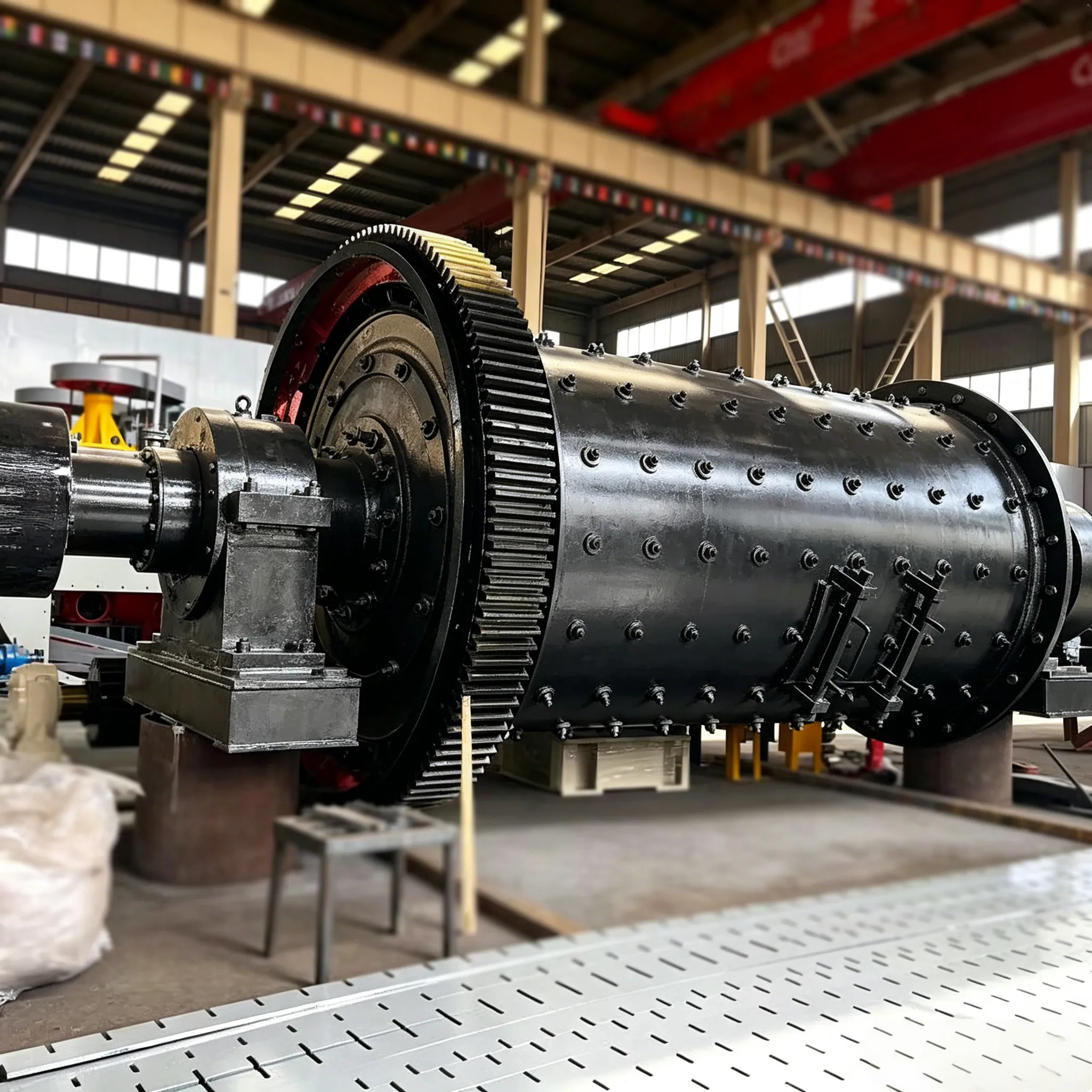




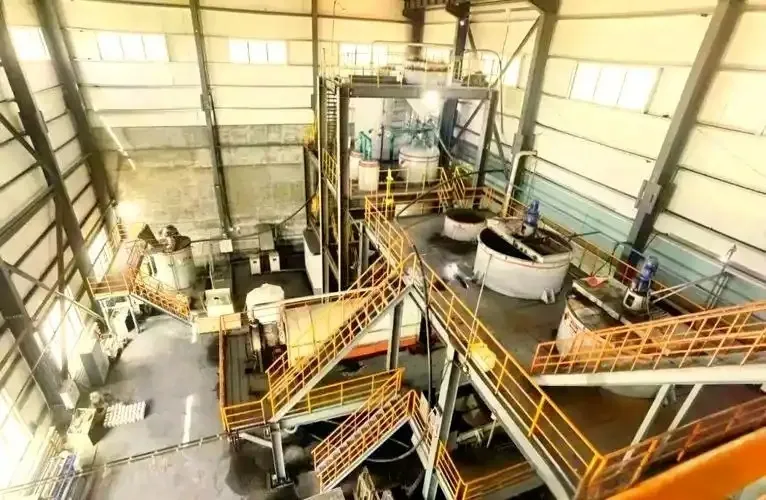


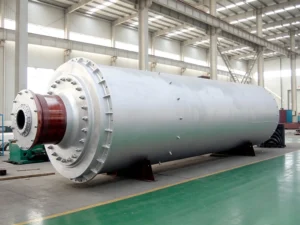
The tube mill is an extremely important fine grinding equipment in modern industry and serves as the key device in most grinding systems.
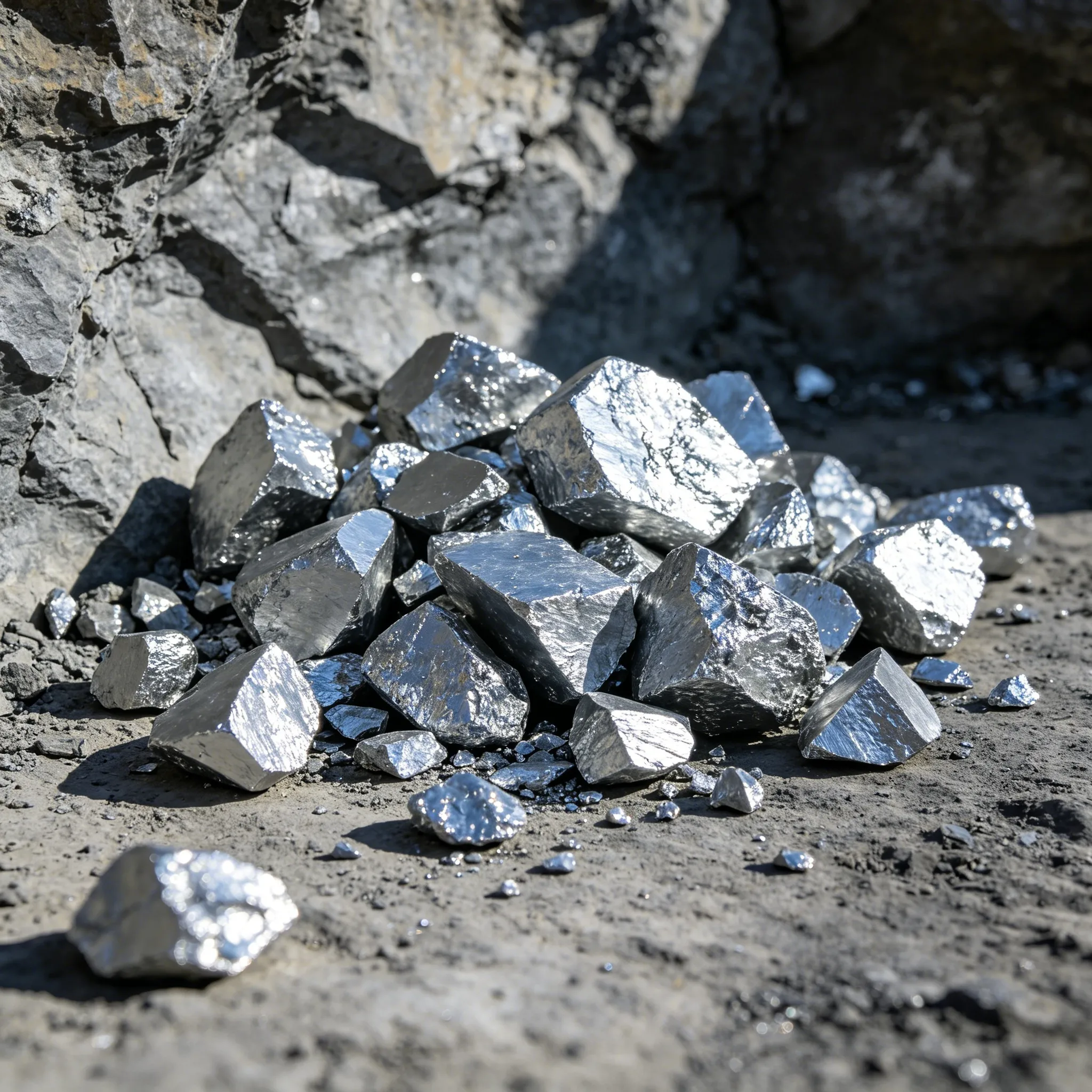
The tube mill is an extremely important fine grinding equipment in modern industry and serves as the key device in most grinding systems. As the core machine for further comminution after material crushing, the tube mill is widely used in cement, building materials, metallurgy, mineral processing, electric power, chemical, and other industries to grind cement clinker, limestone, slag, fly ash, ores, and other grindable materials.
The length of a tube mill is 2–7 times its diameter. Materials stay in the shell for a longer time, resulting in uniform product fineness and a large reduction ratio. Multi‑compartment tube mills use intermediate diaphragms to divide the shell into several chambers, allowing materials to be ground stage by stage for higher grinding efficiency.
1. Strong adaptability and wide application
High adaptability to variations in material physical properties (such as particle size, moisture, hardness, etc.) and large production capacity. It can operate in both dry and wet processes, and can combine drying and grinding in one operation. It is suitable for open‑circuit grinding as well as closed‑circuit grinding with an air classifier.
2. High reduction ratio and adjustable fineness
Large reduction ratio (typically over 300, and up to 1000 for ultra‑fine grinding), fine product size, and easy adjustment of particle size distribution. Finished product fineness can be flexibly adjusted according to production requirements.
3. Sealed and environmentally friendly
Excellent sealing performance enables negative‑pressure operation with minimal dust emission at the worksite. Special seals at dynamic and static joints ensure no oil or dust leakage.
4. Capable of large‑scale production
Designed for large‑scale industrial production to meet the needs of modern enterprises. Available in effective shell diameters from φ1.83m to φ4.2m and effective lengths from 7m to 16m.
5. Intelligent control and reliable operation
The entire tube mill system is automatically controlled, with temperature monitoring of all bearings and lubricating oil, as well as vibration detection of the machine body. It can also be connected to a central control room for computer‑based remote control.
The tube mill consists of a cylindrical shell supported at both ends, filled with grinding media (steel balls, etc.). Material is fed into the shell through the feeding device.
When the shell rotates around its horizontal central axis at a certain speed, the grinding media and material are lifted to a certain height by friction and centrifugal force, then thrown or cascaded down at a certain trajectory. The material is crushed by the impact of falling steel balls, as well as by the additional compressive and attrition forces between balls, between balls and liners, between material particles, and between material and balls/liners.
After preliminary crushing and grinding in the first compartment, the particle size becomes smaller. The finer particles pass through the double‑layer intermediate diaphragm, which also provides classifying and lifting action, entering the second compartment where they are further ground by smaller‑sized media. By the time the material reaches the discharge end, it has been ground to a very fine size. After passing through the discharge grate plate, the qualified fine powder is forced out of the mill and sent to the next process.
The main components of the tube mill include:
Transmission types:
Support types:
The following are typical specifications for selected models:
| Model | Shell Dia. (mm) | Shell Length (mm) | Rotational Speed (r/min) | Capacity (t/h) | Motor Power (kW) | Weight (t) |
|---|---|---|---|---|---|---|
| M2265 | 2200 | 6500 | 21.95 | 17–19 | 380 | 48.5 |
| M2275 | 2200 | 7500 | 21.95 | 19–21 | 380 | 51.4 |
| M22110 | 2200 | 11000 | 21.95 | 20–22 | 570 | 79.5 |
| M2470 | 2400 | 7000 | 20.4 | 22–24 | 475 | 68.5 |
| M24100 | 2400 | 10000 | 20.4 | 28–30 | 630 | 98.6 |
| M26130 | 2600 | 13000 | 19.7 | 37–42 | 1000 | 164.8 |
| M3090 | 3000 | 9000 | 18.7 | 36–44 | 1000 | 157.2 |
| M30110 | 3000 | 11000 | 18.7 | 55–65 | 1250 | 175 |
| M32120 | 3200 | 12000 | 17.8 | 68–75 | 1400 | 210 |
| M35110 | 3500 | 11000 | 16.5 | 75–80 | 2500 | 141 |
| M38120 | 3800 | 12000 | 16.3 | 58–60 | 2×1600 | 225.6 |
| M40130 | 4000 | 13000 | 15.46 | 90–100 | 2800 | 376 |
Note: The above parameters are for reference only. Actual figures depend on the final contract. Capacity varies with material characteristics, feed size, and final product fineness.
Tube mills are widely used in the following industries:
Pre‑sales service:
Based on customer requirements and comprehensive evaluation of all factors, we recommend the most suitable model and production line configuration, offering tailor‑made and cost‑effective solutions.
During‑sales service:
At the time of delivery, our professional team provides free installation and commissioning, along with on‑site training until the operators are fully capable of independent operation.
After‑sales service:
A complete after‑sales service system is in place, with a 24‑hour hotline for prompt guidance. Regular follow‑up visits and inspections are conducted.
 English English
 Spanish
 Russian
 Arabic
 Swahili
 French
 Turkish
 Portuguese
 Korean
 Japanese
 German
 Italian