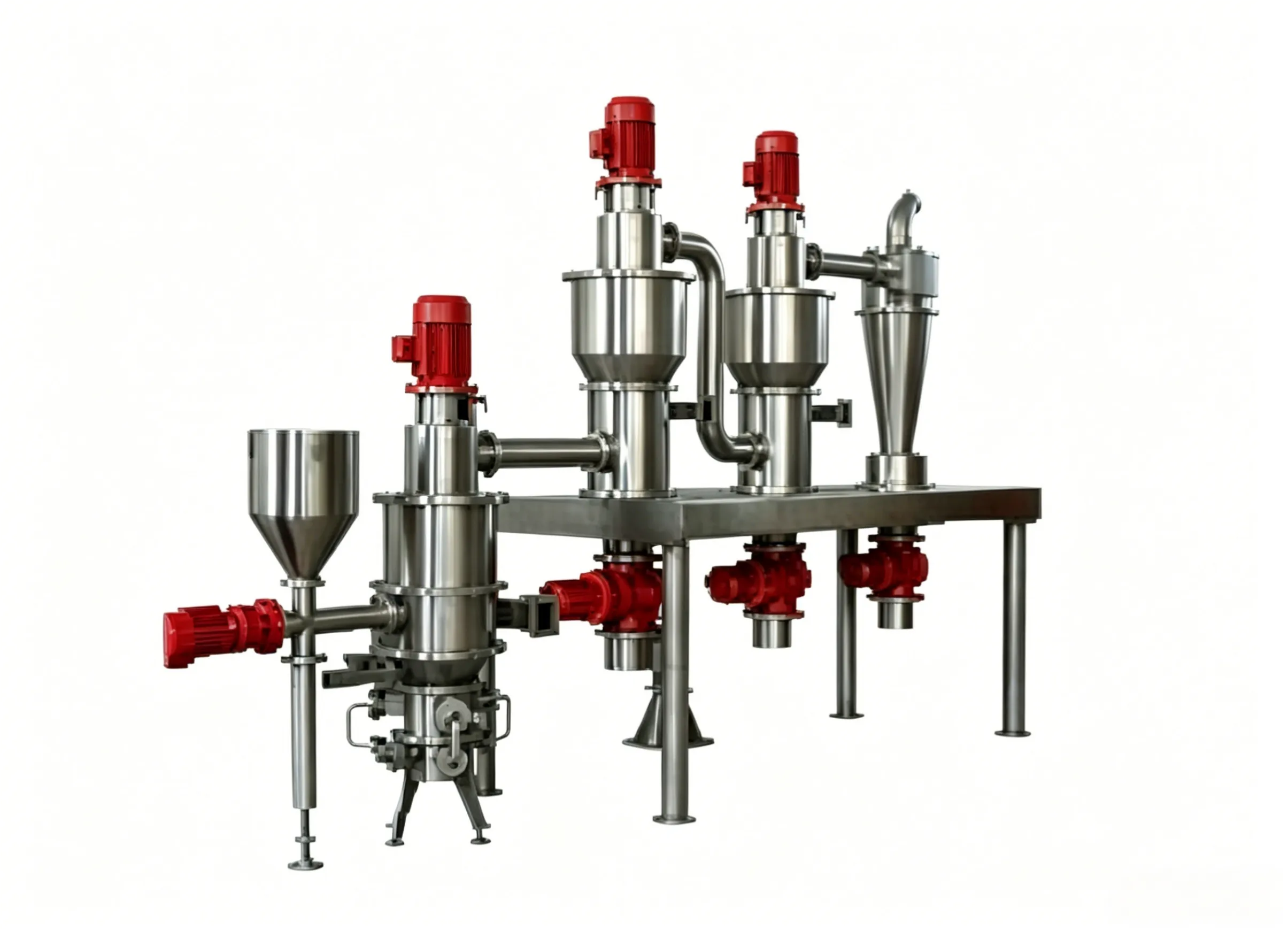
Jet Mill
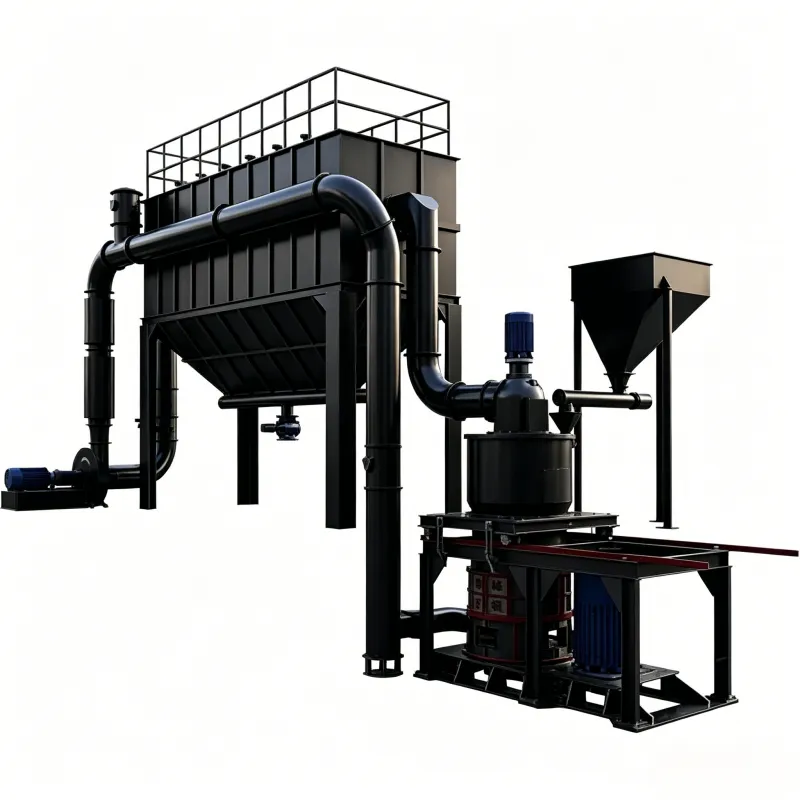
Jet Mill This machine is a dry ultrafine grinding and classifying equipment…

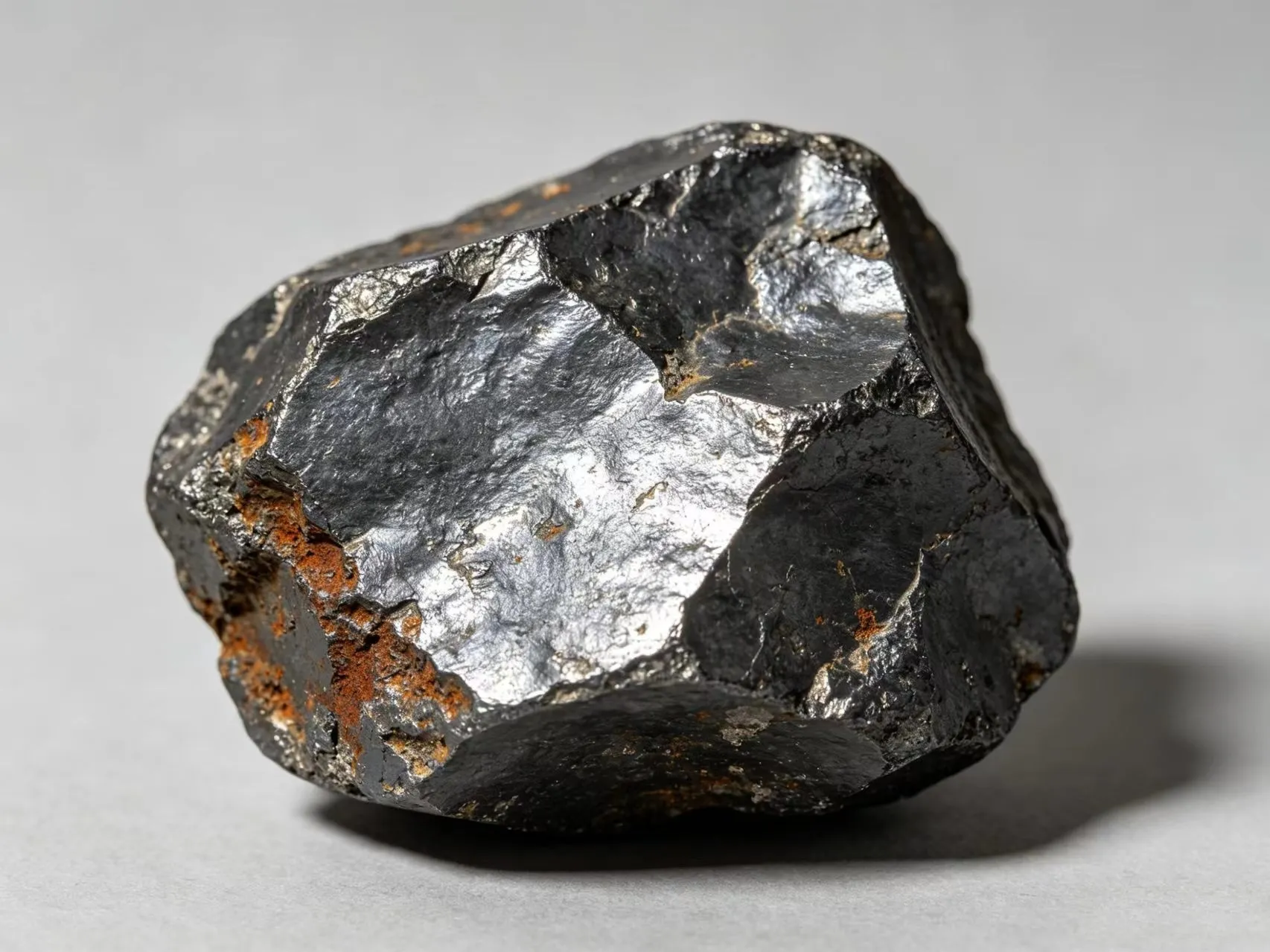
(1) Regarding iron ore beneficiation technology, for magnetite beneficiation, weak magnetic-anion flotation and anion flotation methods, weak magnetic-magnetic column separation (full magnetic separation process) separation methods, weak magnetic-magnetic field screening machine separation methods, weak magnetic separation-high frequency vibrating fine screening separation methods, and ultrafine crushing-wet magnetic separation tailings removal processes have been proposed. For hematite beneficiation, magnetic separation-anion reverse flotation processes and strong magnetic separation-fine screening processes have been proposed.
(2) Regarding flotation reagents, novel high-efficiency anionic collectors such as SH-37, MZ-21, and RA series collectors were applied in the reverse flotation process for hematite. New high-efficiency collectors MD-28 and MH-80, used for upgrading and reducing impurities in magnetite concentrate, were promoted and applied in Lunan Mining Company and Taiyuan Iron & Steel Group’s Jianshan Iron Mine, respectively, increasing the magnetite concentrate grade to over 69%. The newly developed MH-88 special collector was used to separate low-grade hematite ore from Tieshanmiao in Wuyang, achieving a good iron concentrate grade of over 65% and a metal recovery rate of 72.56%. Anshan Iron & Steel Group’s Gongchangling beneficiation plant adopted the new cationic collector YS-73 and the new cationic collector GE-601 developed by Wuhan University of Technology. These not only solved the problem of dodecylamine but also allowed for direct tailings removal without magnetic separation, thus simplifying the process. GE-601 features low-temperature resistance and high efficiency.
(3) In terms of fine-particle magnetic separation equipment, in recent years, magnetic separation columns, pulsed vibration magnetic field separators, BX-type weak magnetic separators, SLon vertical ring high-gradient pulsating strong magnetic separators, dual-frequency dual vertical ring pulsed high-gradient magnetic separators, DMG-type electromagnetic vertical ring pulsating high-gradient magnetic separators, magnetic screening machines, magnetic agglomerators, and strong magnetic rollers have been developed. These have played an important role in “iron extraction and silicon reduction” of iron concentrate.
(4) In terms of fine screening equipment, Derrick overlapping high-frequency fine screens and GPS high-frequency vibrating fine screens and MVS vibrating screens developed by Changsha Mining and Metallurgical Research Institute and Tangshan Lukai Company in my country are widely used in iron ore processing.
(5) In terms of flotation equipment, some large-scale iron ore reverse flotation plants abroad generally use flotation columns instead of flotation machines to produce high-quality iron concentrate for pelletizing with a silicon content of no more than 2%. In collaboration with China University of Mining and Technology, the Changsha Research Institute of Mining and Metallurgy has introduced flotation columns, already successfully applied in the coal preparation industry, into iron ore reverse flotation, completing industrial trials at the Anshan Iron and Steel Group’s Gongchangling Iron Mine. The Beijing General Research Institute of Mining and Metallurgy has designed and developed a magnetic flotation separator, which can significantly improve the grade and recovery rate of iron concentrate.
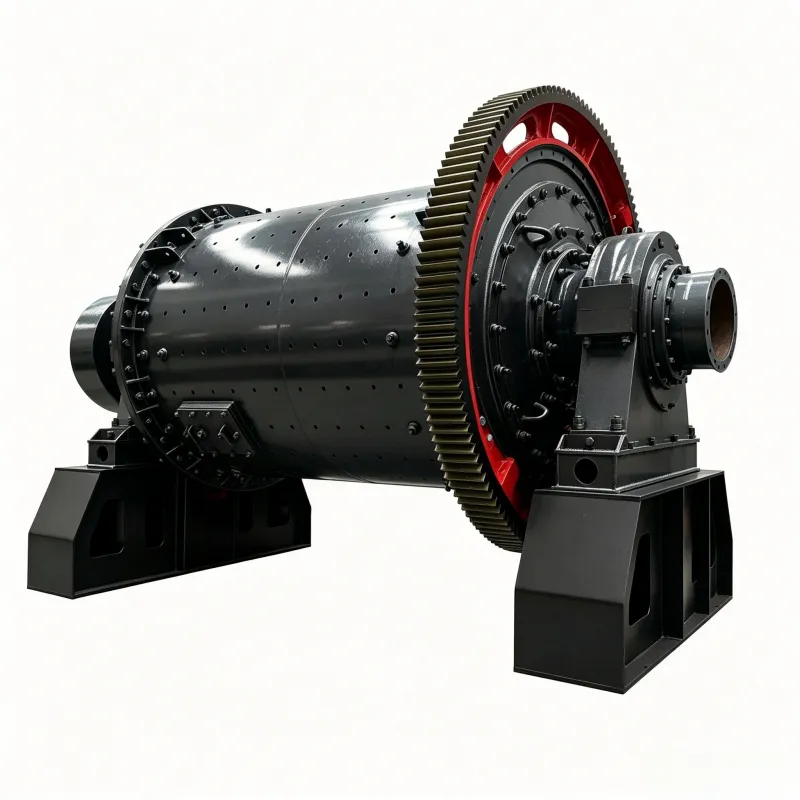
(6) In terms of crushing and grinding equipment and processes, the new cone crusher and high-pressure roller mill technologies developed in recent years have very broad application prospects. The Nordberg HP series cone crusher adopts modern hydraulic and high-energy crushing technology, with strong crushing capacity and a large crushing ratio. The Qidaishan Iron Mine Beneficiation Plant of Ansteel, Qidaishan Beneficiation Plant, Taiyuan Iron & Steel Group Jianshan Beneficiation Plant, Baotou Steel Beneficiation Plant, Wuhan Iron & Steel Group Chengchao Beneficiation Plant, and Maanshan Iron & Steel Group Aoshan Beneficiation Plant have all introduced and used this equipment. Ultimately, the ore particle size fed into the mill reached 95% -12mm and 80% -9mm. The application of the high-pressure roller mill developed by Humboldt AG of Germany at the Los Colorado Iron Mine in Chile showed that roller mills can replace two-stage crushing. Maanshan Iron & Steel Group Nanshan Iron Mine in China has also introduced a high-pressure roller mill from Koppern AG of Germany, achieving good application results. Large-scale hydraulic machinery and autogenous and semi-autogenous grinding technologies are gradually being promoted and applied both domestically and internationally, simplifying the crushing process and improving efficiency. For example, the Pima and Lonax concentrators in the United States and Canada, respectively, use autogenous mills, feeding coarsely crushed ore (around 200mm) directly to a 9.6m large autogenous mill, greatly simplifying the traditional two-stage crushing and two-stage grinding process. Magnetic liners are increasingly being used in iron ore concentrators. In my country, the largest ball mill for processing hematite, the 5.5m×8.8m, utilizes metal magnetic liners, which offer unparalleled advantages. Compared to metallic and non-metallic liners, metallic magnetic liners have advantages such as long service life, light weight, low noise, ball and energy savings, high operating rate, convenient installation, and significant economic benefits. The application of HM-type large-scale mill magnetic liners in the 3.6m×6.0m two-stage overflow ball mill at Baotou Steel’s concentrator demonstrates that these magnetic liners, including the cylinder liner and end liners, have a service life 5-6 times longer than high-manganese steel liners, reducing liner consumption and improving mill operating rate. It has no adverse effects on mineral processing indicators such as grinding product particle size, magnetic concentrate grade, and recovery rate.