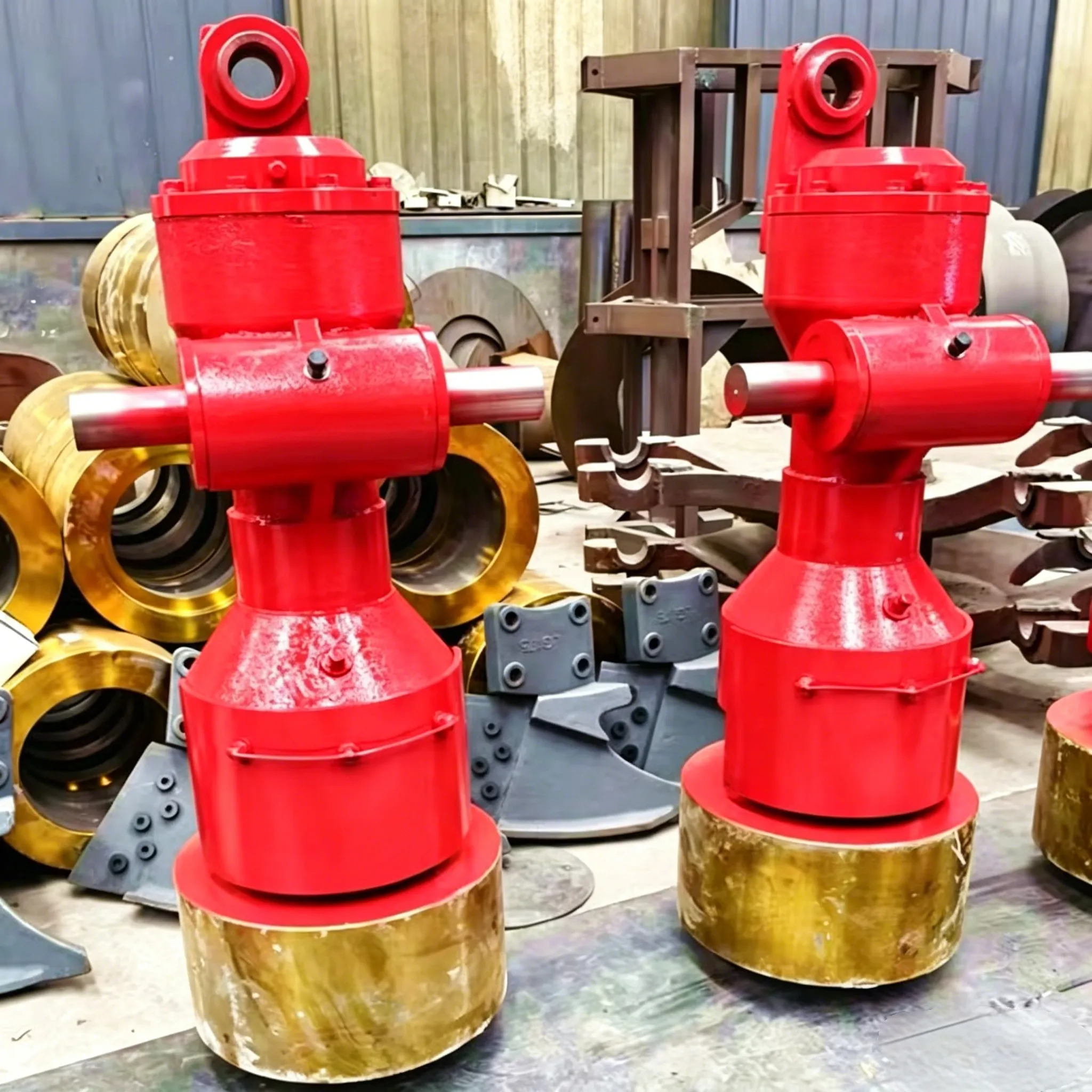
Raymond Mill Grinding Roller
1. Product Overview The grinding roller is the core working component and key wear part of…

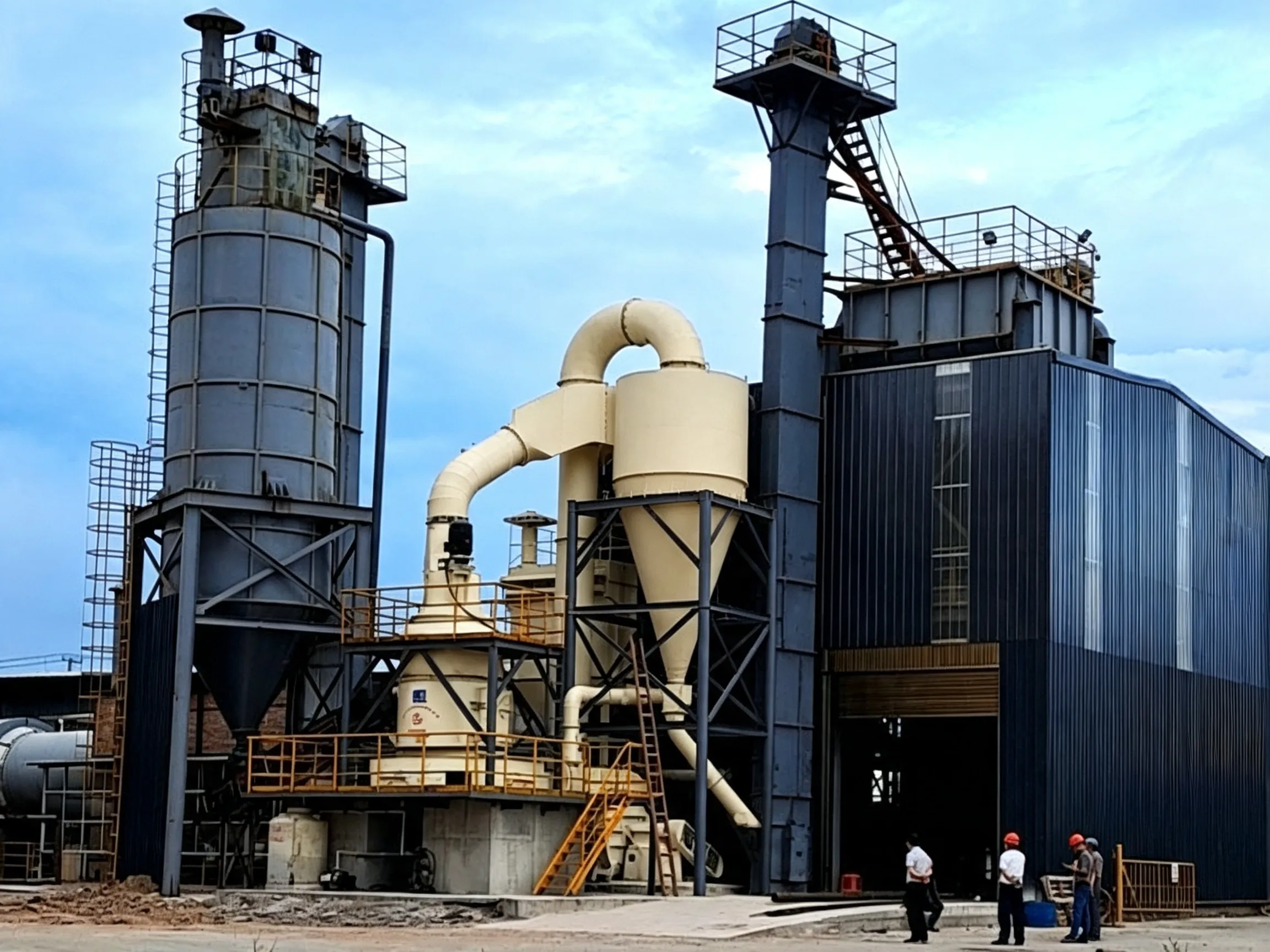
Fluorogypsum is a by‑product of the industrial production of hydrofluoric acid or fluorides, consisting mainly of anhydrous calcium sulfate (CaSO₄). With continuous advances in resource utilization technology, fluorogypsum has transformed from an industrial solid waste into an important raw material for building materials, chemicals, and other sectors. Grinding fluorogypsum to 325 mesh (approx. 45 μm) is a common fineness requirement in many applications. So, with the wide variety of grinding equipment on the market, how should you choose? This article provides a detailed analysis to guide your decision.
Understanding the material properties is the first step in equipment selection. Fluorogypsum has the following key characteristics:
These characteristics determine that the grinding equipment for fluorogypsum needs moderate grinding capability, certain corrosion resistance, and precise fineness control.
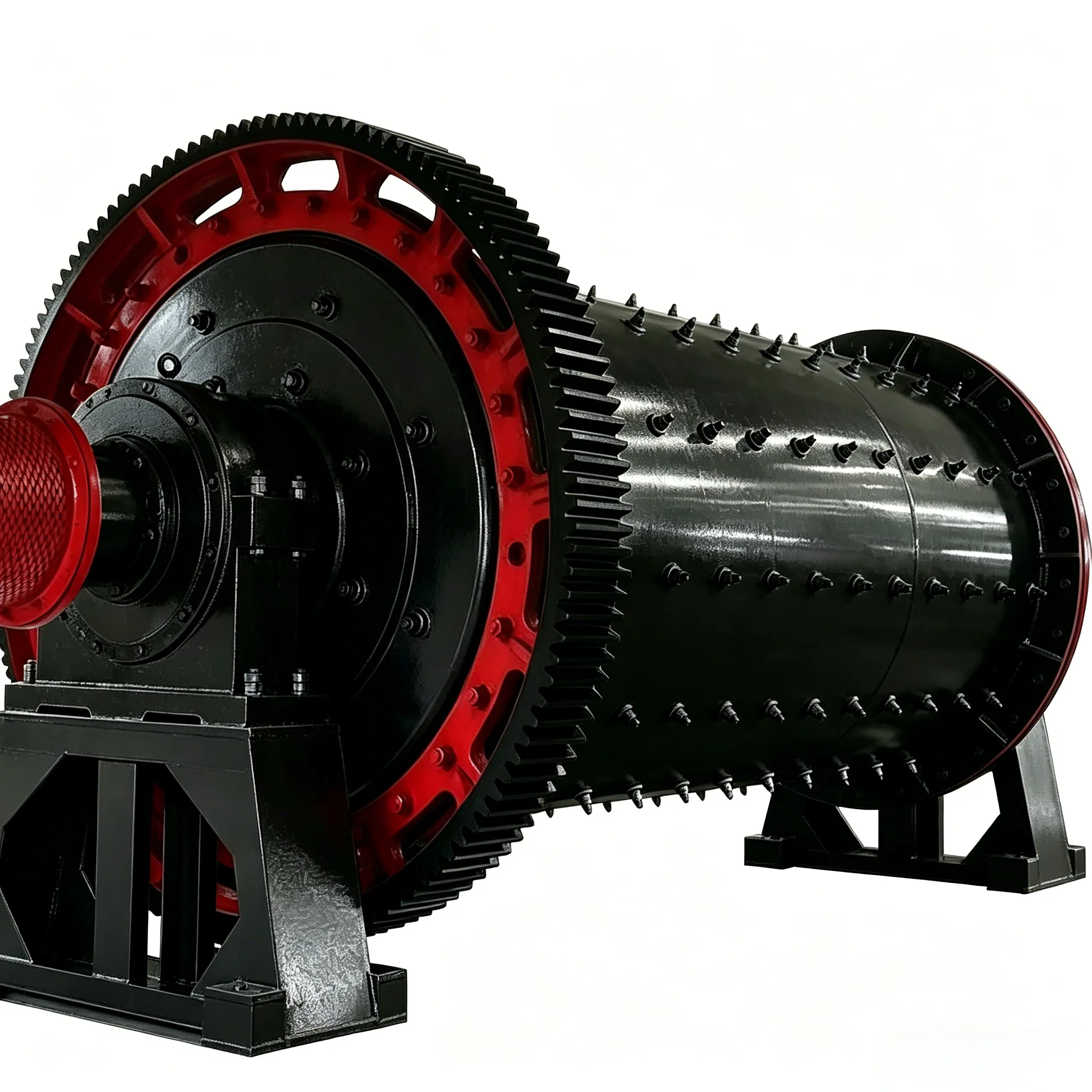
In the current powder processing technology landscape, the equipment capable of stably producing 325‑mesh powder mainly falls into three categories: Raymond mills, ultrafine grinding mills, and vertical roller mills (VRMs). Each is analysed below.
For grinding fluorogypsum to 325 mesh, the Raymond mill is currently the most common and technologically mature option on the market.
Suitability analysis:
Limitations:
If the production line plans to expand into “ultra‑fine” products (e.g., above 600 mesh) in the future, the upgrade potential of a Raymond mill is relatively limited.
Typical model reference:
| Model | Feed Size | Product Fineness | Capacity |
|---|---|---|---|
| 5R4121 | ≤40 mm | 80–325 mesh | 6–15 t/h |
If you have extremely high requirements for particle size distribution uniformity of the 325‑mesh product, or if you want the equipment to have stronger fineness adjustability, an ultrafine grinding mill (typically a three‑ring or five‑ring medium‑speed micro‑powder mill) is a worthwhile option.
Suitability analysis:
Limitations:
If the project requires very high capacity (e.g., tens to over a hundred tonnes per hour), or if the feed material is relatively coarse, the VRM offers another technical route.
Suitability analysis:
Limitations:
Based on the comprehensive analysis above, the following recommendations are given for the specific requirement of “grinding fluorogypsum to 325 mesh”:
Primary recommendation: Raymond Mill
For the vast majority of projects that need to grind fluorogypsum to 325 mesh, the Raymond mill is the most reliable and economical choice. It delivers the most stable performance at 325 mesh, is the simplest to maintain, and adapts well to the physical properties of fluorogypsum. If your project is medium‑scale, cost‑sensitive, and has no near‑term plan for producing ultrafine powder, the Raymond mill is the undisputed first choice.
Secondary recommendation: Ultrafine Grinding Mill
If the project is positioned at the high end, with future plans to produce finer gypsum powder (e.g., for fillers or specialty building materials), or if you have extremely stringent requirements for particle size distribution, an ultrafine grinding mill is worth considering.
Special‑case recommendation: Vertical Roller Mill
If the project is a supporting facility for a large cement plant or a large building materials base with huge capacity demands, then the VRM is a more energy‑efficient long‑term choice.
Fluorogypsum typically contains trace amounts of fluorides, which are mildly corrosive. When selecting equipment, it is advisable to pay attention to anti‑corrosion treatment of the materials in contact with the powder to ensure long‑term stable operation and service life.
Moreover, ground fluorogypsum has a wide range of applications, including cement retarders, self‑levelling mortars, gypsum boards, lightweight wall bricks in the building materials sector, as well as calcium sulfate whiskers, active calcium sulfate in the chemical industry. 325‑mesh fluorogypsum powder fully meets the fineness requirements for all these applications.
For grinding fluorogypsum to 325 mesh, the Raymond mill is the preferred solution for most projects, owing to its mature technology, precise fineness coverage, low operating costs, and good material adaptability. The ultrafine grinding mill and vertical roller mill have their respective advantages in high‑precision and very large‑scale scenarios. Companies should make the most suitable decision based on their own capacity scale, investment budget, product positioning, and future development plans.
 English English
 Spanish
 Russian
 Arabic
 Swahili
 French
 Turkish
 Portuguese
 Korean
 Japanese
 German
 Italian